
 0
0
 0
0
Lab scale blender are essential tools in small-scale manufacturing processes, playing a vital role in minimizing waste and improving efficiency. These machines, designed for research, development, and small batch production, offer manufacturers the ability to experiment with different materials and processes before scaling up to larger operations. In industries such as pharmaceuticals, food processing, cosmetics, and chemicals, a lab scale blender can significantly reduce both material waste and production costs. By blending small quantities of ingredients with precision and accuracy, manufacturers can create consistent products while ensuring that valuable resources are used efficiently. This is particularly important for small-scale manufacturers who often work with expensive raw materials and have limited resources. The ability to scale down production and test different formulas without risking large batches makes lab scale blenders an indispensable tool in the pursuit of waste reduction and sustainability. In this article, we will explore how a lab scale blender can help minimize waste in small-scale manufacturing, highlighting the key benefits and contributions to sustainable manufacturing practices.
Lab Scale Blender Reduces Material Waste In Small Scale Manufacturing
A lab scale blender is specifically designed to handle small quantities of materials, which means that manufacturers can blend precise amounts of ingredients required for trial runs or prototypes. This feature directly contributes to waste reduction by ensuring that only the exact amount of material needed for testing is used. In traditional manufacturing, producing larger batches often leads to a considerable amount of excess materials that may go unused. However, by using a lab scale blender, manufacturers can minimize this risk by producing only the necessary quantities, allowing them to test and perfect formulas without generating significant waste. Additionally, lab scale blender enable manufacturers to optimize blending times and techniques, ensuring that the materials are fully utilized and that there is minimal leftover. As a result, the use of lab scale blender in small-scale manufacturing not only cuts down on waste but also enhances the efficiency of the production process, reducing costs associated with unused materials and waste disposal.
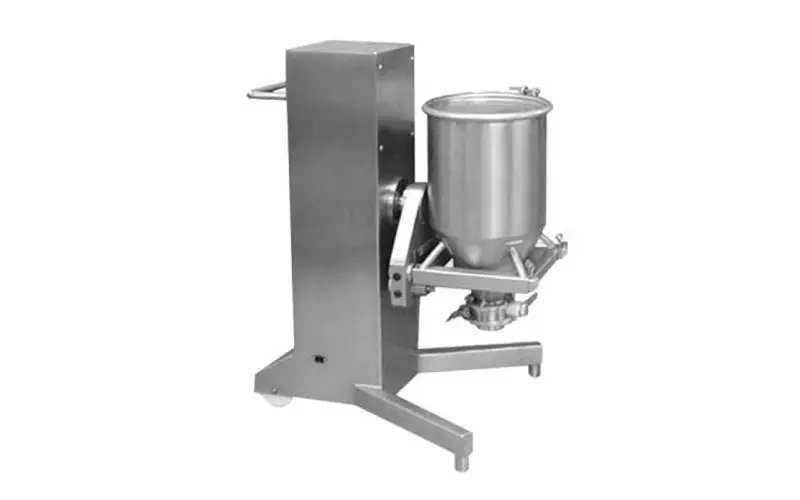
The Role Of A Lab Scale Blender In Optimizing Resource Efficiency
Resource efficiency is a key consideration in any manufacturing process, especially for small-scale operations with limited budgets and raw material supply. A lab scale blender plays a crucial role in optimizing resource efficiency by allowing manufacturers to experiment with various formulations and blend techniques using minimal amounts of raw materials. This enables manufacturers to refine processes, identify optimal ingredient combinations, and reduce the likelihood of overproduction or the use of unnecessary resources. By working with small batches, manufacturers can test different blending conditions and monitor results without using up large quantities of resources. This results in more efficient use of both time and materials, leading to less waste and lower production costs. Furthermore, lab scale blenders often come with features that allow for precise control over blending parameters such as speed, time, and temperature. This level of control ensures that the blending process is optimized for each specific material, enhancing both product quality and resource efficiency. Overall, lab scale blenders provide small-scale manufacturers with a powerful tool to streamline production processes and maximize the use of resources.
Lab Scale Blender As A Key Tool For Sustainable Manufacturing Practices
Sustainability is increasingly important in manufacturing, with companies striving to reduce their environmental impact and operate more efficiently. Lab scale blenders are a key tool in promoting sustainable manufacturing practices by enabling manufacturers to test processes and ingredients with minimal waste. Small-scale operations, often more agile and responsive to changing market demands, can use lab scale blenders to experiment with new, eco-friendly materials and production methods. For instance, a lab scale blender can help manufacturers incorporate biodegradable or recyclable ingredients into their products, minimizing the use of harmful substances and reducing the overall environmental footprint of their production processes. Moreover, lab scale blenders allow for small-batch production, which is inherently more sustainable than mass production, as it reduces the need for large-scale manufacturing and cuts down on the amount of energy and raw materials consumed. By integrating a lab scale blender into their operations, manufacturers can also ensure that their products meet sustainability standards without the risk of producing excess waste or unused materials. Thus, the lab scale blender serves as an important asset in any effort to adopt sustainable manufacturing practices.
Enhancing Product Consistency With A Lab Scale Blender To Minimize Waste
Consistency is crucial in any manufacturing process, and the use of a lab scale blender ensures that each product meets the desired specifications without the need for large-scale trials that result in wasted materials. By providing precise control over the blending process, lab scale blenders allow manufacturers to maintain consistent quality in small batches, reducing the likelihood of defective products or batches that do not meet quality standards. This consistency is particularly important for manufacturers who work with expensive raw materials or limited supplies, as it minimizes the risk of producing unsatisfactory products that cannot be sold or used. Moreover, the use of a lab scale blender allows for thorough testing and quality control before committing to larger-scale production runs, meaning that only optimal formulations and processes are used in full-scale manufacturing. This approach not only reduces the amount of waste generated from failed products but also enhances the overall efficiency and profitability of small-scale manufacturing operations. By ensuring product consistency through the use of a lab scale blender, manufacturers can minimize waste, increase customer satisfaction, and reduce costs associated with rework or product recalls.
Cost-Effective Solutions For Small Scale Manufacturing With A Lab Scale Blender
Cost-effectiveness is a critical factor for small-scale manufacturers who are looking to stay competitive in the market while managing tight budgets. A lab scale blender offers a highly cost-effective solution by allowing manufacturers to conduct small-scale trials, research, and development without the need for expensive, large-scale equipment or excessive raw materials. With the ability to create small batches and test various formulas, manufacturers can avoid the high costs associated with large batch production, overproduction, and wasted materials. The lab scale blender also enables manufacturers to test different ingredient combinations and formulations at a lower cost, helping to refine production methods and improve overall product quality. This is particularly beneficial for small businesses or startups that may not have the resources to invest in large-scale production equipment. By reducing material waste, minimizing the need for expensive equipment, and streamlining production processes, a lab scale blender helps small-scale manufacturers cut costs and allocate resources more efficiently. In addition, the enhanced precision and control offered by lab scale blenders can also help reduce costly errors and product inconsistencies, further improving the cost-effectiveness of the manufacturing process.
The Impact Of A Lab Scale Blender On Reducing Overproduction In Manufacturing
Overproduction is a common challenge in manufacturing, particularly in industries with fluctuating demand or where the production process is difficult to predict. A lab scale blender plays a crucial role in minimizing overproduction by enabling manufacturers to produce only the quantities needed for research, testing, or small batch production. Unlike traditional large-scale blending processes, which can result in surplus products that may need to be discarded, lab scale blenders provide the flexibility to adjust production runs and avoid the unnecessary creation of excess materials. This level of flexibility is particularly beneficial for small-scale manufacturers who may face challenges with inventory management or forecasting demand. By using a lab scale blender, manufacturers can produce precise quantities of products for specific applications, reducing the risk of overproduction and the associated waste. This approach not only conserves raw materials but also helps manufacturers avoid the costs associated with storing or disposing of unsold or excess products. As such, a lab scale blender contributes significantly to reducing overproduction and ensuring that manufacturing processes are as efficient and sustainable as possible.
Lab Scale Blender’s Contribution To Eco-Friendly Manufacturing Processes
In today’s environmentally conscious world, manufacturers are under increasing pressure to adopt eco-friendly practices that reduce their carbon footprint and minimize waste. Lab scale blenders play a significant role in supporting eco-friendly manufacturing processes by allowing manufacturers to produce small quantities of products without the need for large-scale production that consumes vast amounts of energy, raw materials, and resources. The use of lab scale blenders reduces energy consumption and waste generation by enabling manufacturers to test and perfect processes before scaling up to larger production runs. Additionally, lab scale blenders can be used to experiment with alternative, sustainable materials, such as organic, biodegradable, or recycled ingredients, which can then be incorporated into full-scale production. By working with smaller batches and utilizing less energy, lab scale blenders help minimize the overall environmental impact of the manufacturing process. Furthermore, the precise control over blending conditions offered by lab scale blenders ensures that resources are used efficiently, reducing the risk of unnecessary waste or discarded materials. As a result, the integration of lab scale blenders into manufacturing operations contributes to a more eco-friendly and sustainable production process, aligning with global efforts to reduce waste and promote sustainability.
Conclusion
In conclusion, lab scale blender are indispensable tools in small-scale manufacturing, helping to minimize waste, optimize resource efficiency, and promote sustainable practices. Their ability to produce small, precise batches allows manufacturers to test processes and formulations with minimal material usage, reducing both waste and costs. By enhancing product consistency, reducing overproduction, and contributing to eco-friendly manufacturing practices, lab scale blender support small-scale manufacturers in achieving their sustainability goals. Whether for research and development, product refinement, or small-batch production, these blenders provide a cost-effective and efficient solution for businesses looking to improve their manufacturing processes while minimizing waste and maximizing resource utilization. As sustainability becomes an increasingly important focus in manufacturing, the role of lab scale blender will continue to grow, offering manufacturers a powerful tool for reducing their environmental impact and promoting more efficient, eco-friendly production methods.



Hello, I’m Ezra Stevens, a passionate blogger based in the United States. With a love for business, technology, and travel, I’m constantly exploring new ideas and sharing my insights. Join me on my journey as I uncover the latest trends, share valuable tips, and immerse myself in diverse cultures.