
 0
0
 0
0
Is your business still using outdated methods for removing sediment from industrial ponds, lagoons, or waterways? Traditional dredging can be slow, costly, and often dangerous. It frequently involves putting personnel in hazardous environments, leading to potential risks and inefficiencies. But what if there was a better way?
Modern industry demands smarter, safer, and more precise solutions for managing sediment and waste materials. This is where an automated dredge steps in. These advanced machines are changing how companies approach critical tasks, bringing significant improvements in safety, speed, and cost-effectiveness. Let’s explore how this technology works and why it’s becoming essential for many operations worldwide.
What is an Automated Dredge? Demystifying Modern Dredging Technology
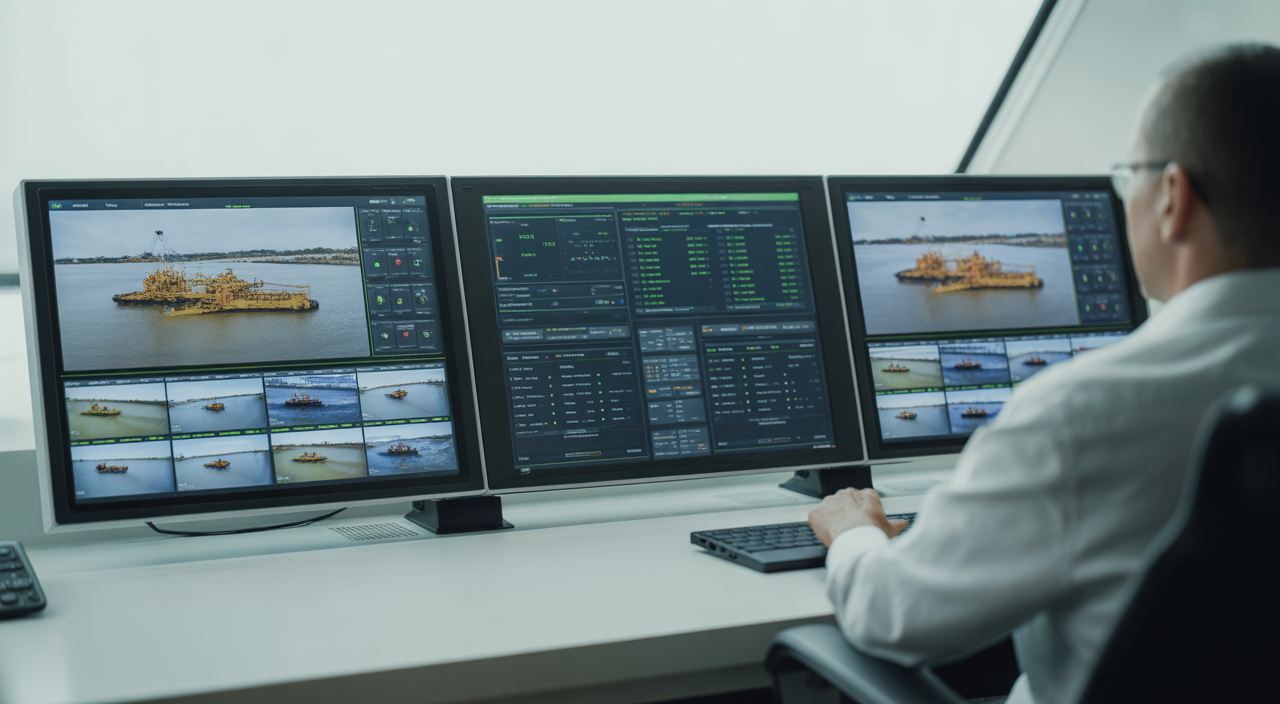
At its heart, an automated dredge is a specialized machine designed to remove mud, silt, sand, or other unwanted materials from the bottom of water bodies. The “automated” part means it performs these tasks with little to no direct human interaction on the machine itself. Instead, operators control it from a safe distance, or the machine follows pre-programmed instructions.
Defining Automation in Dredging
Automation in dredging covers a range of capabilities. It’s not a single, fixed idea. Here are the main types:
- Remote-Controlled Dredges: An operator uses a control panel or joystick, often from a comfortable and safe control room on shore. They guide the dredge, managing its movement, depth, and material removal in real-time. This is a very common and effective form of automation.
- Semi-Autonomous Dredges: These machines can perform certain tasks on their own, like following a specific dredging path or maintaining a constant depth. However, they still need human oversight and occasional intervention.
- Fully Autonomous Dredges: These are designed to operate completely independently, making decisions and adapting to conditions without human input. While fascinating, they are still evolving and less common in everyday industrial use compared to remote-controlled systems.
For many industrial needs, remote-controlled dredges offer a perfect balance of advanced capabilities and practical operation.
Key Components of an Automated Dredge System
To work effectively, this technology combines several important components:
- Advanced Propulsion and Navigation: Systems that allow precise movement across the water, often using GPS or other positioning tools.
- Precision Pumps and Cutters: Powerful pumps to suck up the loosened material (slurry) and cutters to break up compacted sediment.
- Sensor Technology: Sensors measure crucial data like dredging depth, the concentration of solids in the removed material, and the dredge’s exact position.
- Remote Control Interface/Software: This is the brain of the operation, allowing operators to monitor everything in real-time through cameras and data displays, and send commands.
- Power Source: Many modern dredging systems, especially smaller ones, are electrically powered, offering significant advantages.
The Unmatched Benefits of an Automated Dredge System
Switching to an automated system brings numerous benefits that impact every aspect of an operation, from worker safety to environmental care.
Elevating Safety to a New Standard
Safety is perhaps the biggest advantage. Traditional dredging often means putting workers close to dangerous areas. These can include ponds with toxic waste, unstable ground, or extreme temperatures. Automated systems remove personnel from these risks entirely.
Operators control the dredge from a safe distance, often in an air-conditioned control room. This greatly reduces risks from chemical exposure, machinery accidents, and environmental hazards. It also minimizes human error in dangerous situations, making the entire process much safer.
Drastically Improving Operational Efficiency
These systems are designed for consistency and continuous operation. They can maintain a very precise dredging depth and a steady flow of material (slurry). This means a more uniform removal process.
Unlike human operators, machines don’t get tired. They can work 24/7, leading to faster project completion. Advanced systems can also collect data for predictive maintenance. This helps identify potential issues before they cause costly breakdowns, reducing downtime and keeping operations running smoothly.
Significant Cost Savings and ROI
The upfront investment in these systems pays off quickly. One major saving comes from reduced labor costs, as fewer personnel are needed on site for direct operation. For electric models, fuel costs are significantly lower or eliminated completely, leading to substantial energy savings.
Precise operation also means less wear and tear on the equipment, lowering maintenance expenses over time. Moreover, by removing sediment more efficiently, you might reduce disposal costs. This is often achieved through optimized dewatering, which means less water needs to be transported with the solid waste.
Enhanced Precision and Environmental Compliance
An sand dredging equipment allows for highly accurate navigation and dredging patterns. This precision helps remove exactly what’s needed without disturbing surrounding, undisturbed sediment. This is crucial for maintaining environmental balance and reducing unwanted collateral damage.
Furthermore, electric automated systems produce zero local emissions. They also operate much quieter than diesel models. This makes them ideal for environmentally sensitive areas or urban settings where noise pollution is a concern. Such features significantly contribute to better environmental compliance and a reduced ecological footprint.
Real-World Applications: Where Automated Dredging Excels
This technology is versatile and can be used in many different industrial and environmental settings.
Industrial Ponds & Lagoons
Many industries have ponds that collect waste, like fly ash from power plants or cooling water ponds. These often contain hazardous or abrasive materials. These machines can safely and effectively remove this buildup, keeping workers out of harm’s way. They can handle aggressive slurries and maintain critical storage or treatment capacities. Consider a power plant facing escalating costs and risks from manual fly ash removal; these systems provide a critical solution, significantly improving safety and operational flow.
Mining & Tailings Facilities
Mining operations often generate “tailings” – the waste material left over after extracting valuable minerals. These are stored in large ponds. Industrial pond dredging solutions are essential for managing these ponds. They are perfect for tailings pond reclamation or recovering valuable minerals from these waste streams. They can operate effectively in remote and challenging terrains typical of mining sites.
Wastewater Treatment Plants
Wastewater treatment plants need regular sludge removal from various tanks, such as clarifiers and aeration basins. These solutions provide a continuous and precise way to do this. This helps maintain the plant’s treatment capacity and efficiency without needing constant human presence in often unpleasant environments.
Other Specialized Environments
Beyond these, this technology is used in many other specialized areas. This includes removing silt from hydroelectric dams, clearing channels for port maintenance, and keeping power plant cooling water intakes free of debris. Their ability to operate in challenging or confined spaces makes them invaluable.
The Future is Electric and Remote: A Closer Look at Advanced Dredging Systems
The trend in dredging is clearly moving towards more sustainable and efficient technologies, with electric and remote-controlled systems leading the way.
Why Electric Power is Game-Changing for these Systems
Electric dredges offer numerous advantages over traditional diesel-powered machines:
- Zero Emissions: They produce no harmful fumes or greenhouse gases at the point of operation, improving air quality and reducing environmental impact.
- Lower Noise: Electric motors are much quieter, which is beneficial for worker comfort, nearby communities, and wildlife.
- Reduced Energy Costs: Electricity can be significantly cheaper than diesel fuel, leading to substantial operational savings.
- Less Maintenance: Electric motors generally have fewer moving parts than diesel engines, resulting in less maintenance and longer operational life.
- Versatility: They are ideal for indoor operations or sensitive environments where air quality and noise are critical concerns.
The Power of Remote-Controlled Operations
Remote control allows operators to manage the dredge from a comfortable, safe, and often land-based control room. High-definition cameras provide a clear view of the operation, while real-time data feeds show everything from dredging depth to material flow. Precise joystick controls allow for delicate maneuvers, ensuring the work is done accurately and safely.
For those seeking the ultimate combination of safety, efficiency, and environmental responsibility, a remote-controlled electric dredge offers unparalleled advantages. These systems represent the pinnacle of modern dredging technology.
Choosing the Right System for Your Operations
When you’re selecting the best system, you’ll need to consider several key factors. You should think about the type of material you need to dredge – is it soft silt, thick sludge, or compacted sand? How large is your project area? What kind of power is available on site? Of course, your budget is important, as is the specific level of automation that will benefit your operations most.
It is always wise to consult with experts in dredging technology. They can help you evaluate your specific needs and recommend a system that provides the best long-term value and efficiency for your unique challenges.
Embrace the Efficiency and Safety of Automated Dredging
Automated dredging solutions are more than just a technological upgrade; they are a fundamental shift in how industries manage critical sediment removal tasks. By embracing these systems, businesses can significantly enhance worker safety, boost operational efficiency, and achieve substantial cost savings. They also play a crucial role in meeting today’s strict environmental standards.
The future of sediment management is here, and it’s powered by intelligent, remote, and often electric dredging technology. Explore how these innovative solutions can transform your operations for the better.
Frequently Asked Questions
Q1: How do automated systems handle different types of sediment or sludge?
These systems are often equipped with various cutterheads and pump types that can be adapted to different materials. Sensors monitor the slurry concentration in real-time. This allows the operator or the system itself to adjust the dredging speed and pump settings. This ensures efficient removal, whether it’s soft mud or thick, abrasive sludge.
Q2: What kind of training is required to operate these machines?
Operating this equipment typically requires specialized training. This training focuses on understanding the control interface, interpreting data from sensors, and learning to maneuver the dredge effectively from a remote station. While it removes the need for personnel to be on the water, operators still need to be skilled in managing the technology and understanding dredging principles for optimal performance.


Hello, I Diwasu author of Drunken poets of Sarasota, Drunken Poets is composed of people who live in Sarasota and see potential in this city.