
 0
0
 0
0
What makes small LED light bulbs so useful for hobby projects?
When you are working on a scale model, RC car, dollhouse, or diorama, lighting can turn a simple build into something magical. The right tiny LEDs add realism, depth, and drama without taking up space. This guide will help you choose the best small led light bulbs for your next hobby project.
Many hobbyists feel confused by terms like lumens, voltage, or SMD. The good news is that you do not need an engineering degree. Once you understand a few basics, picking the perfect mini LED lamp becomes easy and fun.
Whether you are lighting a model train station, a fantasy diorama, or a display shelf, the right choice of small led light bulbs saves power, runs cool, and looks stunning.
Understanding the basics: sizes and shapes
Most hobby LEDs come in a few common formats. Knowing these helps you match the bulb to your project.
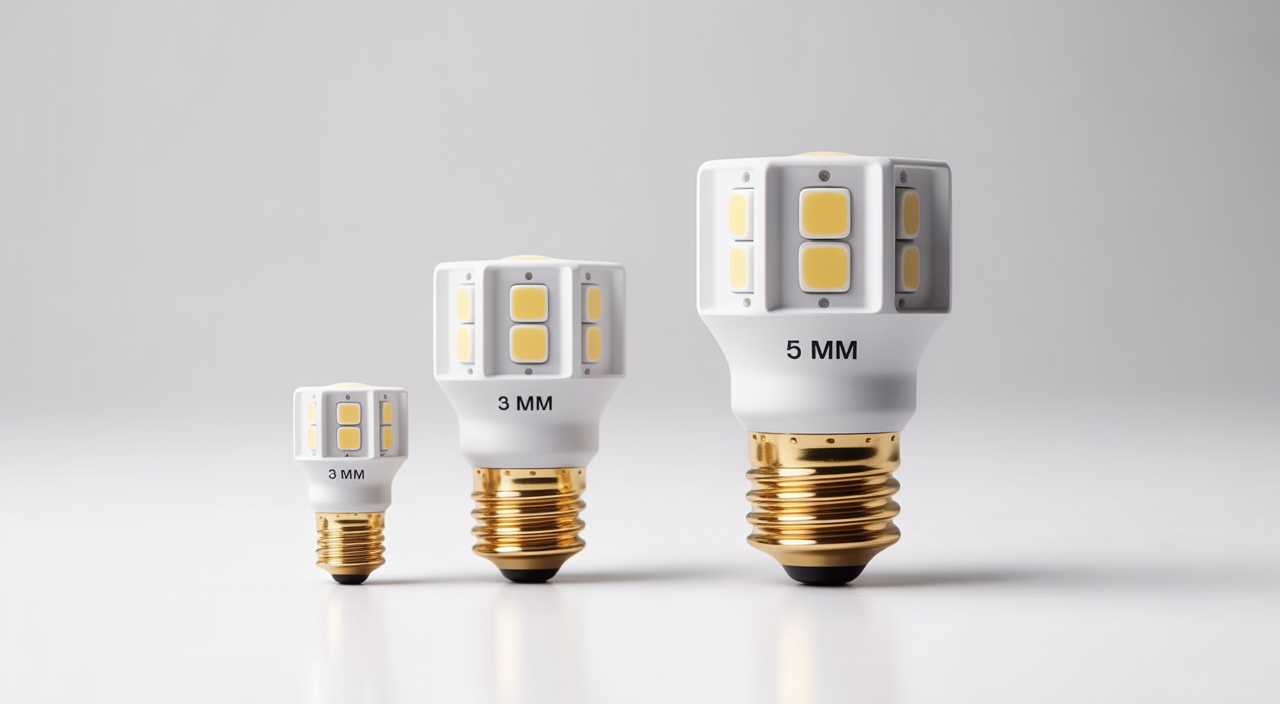
- 3 mm LED bulb: Great for smaller scales like N or HO model trains, tiny buildings, and small control panels. They fit into tight spaces.
- 5 mm LED lamp: Slightly larger and brighter, popular for RC vehicles, model cars, and places where the bulb is visible.
- SMD (Surface Mount) LEDs: Flat, low-profile LED chips. Perfect when you want hidden lighting, such as under shelves, behind signs, or inside thin walls.
You may also see micro LED bulbs for ultra-fine work, such as jewelry displays or 1:87 and smaller miniature scenes. These are tiny but surprisingly bright when used correctly.
Key specs explained in simple words
Technical terms on LED product pages can feel heavy. Here are the ones that matter most for hobby LED lighting.
- Voltage (V): The electrical pressure the LED is designed for. Many hobby LEDs are made for low voltage, such as 3V, 5V, 9V, or 12V.
- Lumens / mcd (brightness): Higher numbers mean more light. For models, you usually want gentle light, not a blinding beam.
- Viewing angle: Narrow angles give a focused spot of light. Wide angles spread light more softly over an area.
- CRI (Color Rendering Index): Tells you how natural colors look under the light. A higher CRI means your paintwork and details look more realistic.
You do not need to chase the highest numbers. Instead, match the brightness and angle to the mood you want in your model or display.
Choosing the right bulb for your hobby
Think about your project type first. That makes your decision much simpler.
- Model trains and railways: Use 3 mm LEDs for signals and tiny street lamps, and SMD strips or chips for coach interiors and station platforms.
- Dollhouses and dioramas: Warm white mini LED lamps for cozy rooms, cool white for modern or office scenes, and RGB LEDs for special effects.
- RC cars, boats, and drones: 5 mm LEDs or bright SMDs for headlights, brake lights, and navigation lights.
For Indian hobbyists using common power sources like 9V batteries or small DC adapters, low-voltage LED mini bulbs are ideal. They draw very little current, which means long battery life and cool operation, even in hot weather.
Matching voltage and power safely
Powering small LEDs is simple if you follow one rule: never connect an LED directly to a higher-voltage supply without a resistor or built-in driver. The resistor acts like a “speed breaker” for current.
A quick rule-of-thumb many DIY makers use:
- For a single LED on a 9V battery, a resistor in the range of 470–1,000 ohms usually works well.
- For a 12V adapter, 1,000–2,200 ohms is common, depending on the LED.
Most quality hobby LEDs will list recommended resistor values in their specs. When in doubt, start with a higher value resistor. The LED will be dimmer but very safe. If you need more brightness, you can slowly move to a lower value.
Brightness and color: setting the right mood
Light is not just about seeing. It sets the feeling of your scene.
- Warm white (around 2700K–3200K): Soft, yellowish light. Perfect for homes, vintage trains, and candlelit scenes.
- Cool white (around 5000K–6500K): Crisp, bluish light. Great for modern buildings, sci-fi models, and workshops.
- RGB LEDs: Red, green, and blue in one LED. You can create effects like police lights, warning beacons, or festival lighting.
For tiny LED indicators on control panels, strong single-color lights (red, green, blue) work very well. For scale models and diorama lighting, go slightly lower on brightness so your details do not get washed out.
Simple “selector” checklist before you buy
Use this quick checklist like a hobby LED selector tool in your mind:
- Project type: Train, dollhouse, RC, display shelf, or something else?
- Available space: Choose 3 mm, 5 mm, or SMD based on how much room you really have.
- Power source: Battery or adapter? What voltage? Pick LEDs that match or use suitable resistors.
- Brightness and color: Decide the mood, then pick warm, cool, or colored LEDs with modest brightness.
- Ease of wiring: Pre-wired LEDs with leads and resistors save time and reduce mistakes.
If you keep these five points in mind, shopping for hobby LED lighting becomes smooth and enjoyable.
Installation tips for long-lasting results
A few simple habits can greatly extend the life of your micro LED bulbs.
- Test first: Check each LED on a test battery before building it into your model.
- Use proper polarity: LEDs have a positive and negative side. Mark wires with tape or color to avoid confusion.
- Avoid bending legs at the base: Bend wires a little away from the LED body to protect the internal joint.
- Provide ventilation: LEDs run cool, but resistors and power supplies can warm up. Leave small gaps for air, especially in sealed models.
For big layout projects, plan your wiring like a simple map. Run a main positive and negative line and branch out to your tiny LED indicators and lamps from there.
Real-world examples for hobby inspiration
Many model builders use low-profile LEDs to create beautiful effects. For example, a model railway platform can use warm-white SMD LED strips under the roof to mimic gentle tube lights. Tiny LEDs inside train cabs bring drivers to life.
RC car fans often mount bright white 5 mm LEDs as headlights, red ones as tail lights, and amber LEDs as turn signals. With thin wires and small drilled holes, the result looks just like a real vehicle.
If you enjoy décor, you can combine mini LED lamps with creative crafts. For gift ideas, you might enjoy these unique gift wrapping ideas for special occasions that pair beautifully with soft LED accent lighting.
FAQs about small LED light bulbs for hobby projects
Q1. Can I connect multiple small LEDs to one power supply?
Yes, you can. The easiest method for beginners is to connect several LEDs in parallel, each with its own resistor. This way, if one LED fails, the others keep working. Just make sure your power supply can handle the total current, which is usually listed in the LED specs.
Q2. How do I choose between 3 mm and 5 mm LEDs?
Look at your model scale and how visible you want the bulb to be. For tiny scales or where the LED must be hidden, 3 mm or SMD is better. For larger models, where the bulb itself is part of the look, 5 mm often feels more realistic and gives stronger light.
Q3. Are pre-wired LEDs worth the extra cost?
For most hobbyists, yes. Pre-wired LEDs come with correct resistors and insulated leads already attached. This saves soldering time, reduces mistakes, and lets you focus on creative work instead of pure electronics. It is especially helpful if you are new to hobby LED lighting.
With the right planning and components, your small LED projects can look professional, last for years, and stay safe and energy efficient. As you grow your skills, you can explore more advanced options like dimmers, controllers, and animated lighting effects to make your creations truly stand out.


Hello, I Diwasu author of Drunken poets of Sarasota, Drunken Poets is composed of people who live in Sarasota and see potential in this city.