
 0
0
 0
0
Is your commercial kitchen truly safe and compliant?
Beneath the shine of stainless steel and the sizzle of daily cooking lies a critical component often overlooked: the exhaust system. This complex network of hoods, filters, ducts, and fans works hard to remove smoke, heat, and airborne grease. But over time, this grease builds up, creating a hidden danger. Regular and professional commercial kitchen hood cleaning is not just about keeping things tidy. It’s essential for the safety of your staff and customers, the smooth running of your business, and staying within legal limits. This guide will help you understand why this service is so vital, what the process involves, and how to choose a reliable partner for your cleaning needs.
Why Commercial Kitchen Hood Cleaning is Non-Negotiable
Ignoring your kitchen exhaust system can lead to serious problems. It’s not just about a clean appearance. It’s about protecting lives, maintaining business operations, and meeting legal requirements.
A. Fire Prevention: The #1 Priority
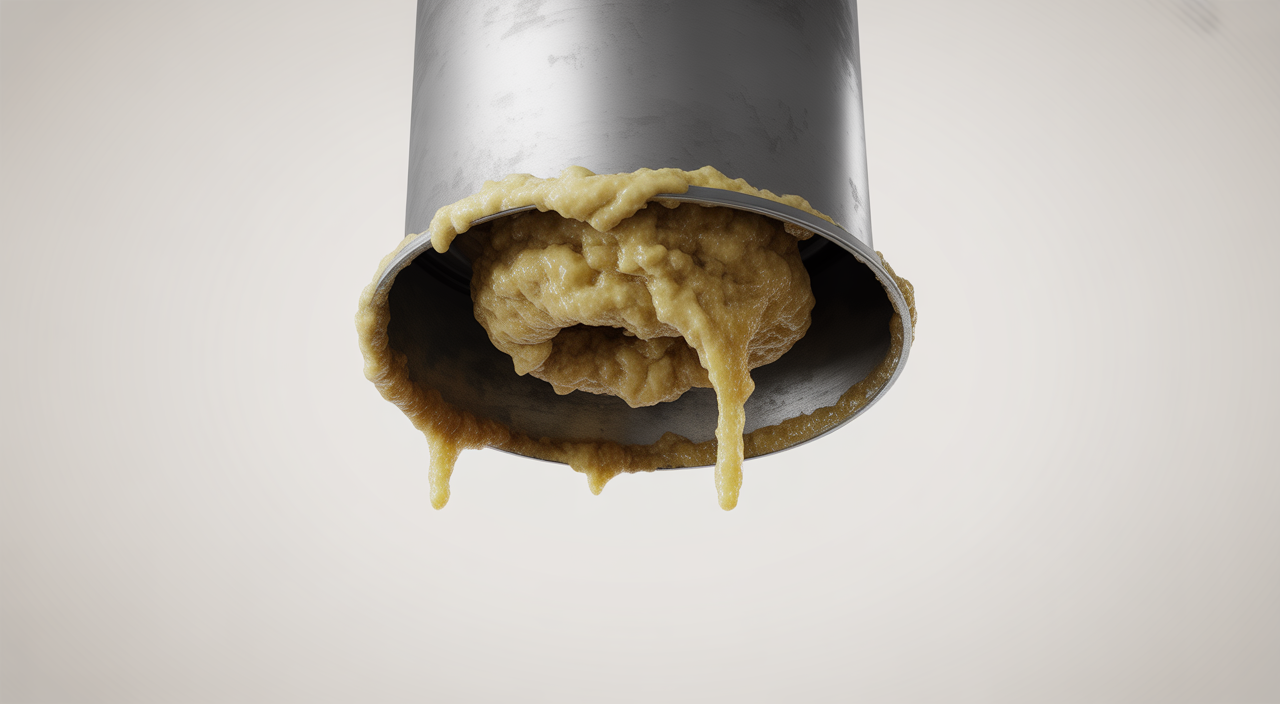
Grease is highly flammable. A buildup in your exhaust system is like a ticking time bomb. It can ignite easily, turning a small kitchen fire into a massive blaze. Regular cleaning removes this fuel, greatly reducing fire risks and protecting your valuable business. Preventing a fire is always better than dealing with its aftermath.
B. NFPA 96 & Health Code Compliance
NFPA 96 is a crucial standard for fire prevention in commercial kitchens. It sets clear rules for how often exhaust systems must be cleaned, based on how much you cook. Ignoring these rules can lead to heavy fines, legal issues, or even forced closure. Health inspectors also look for clean systems to ensure food safety and hygiene. A clean kitchen reflects well on your commitment to public health.
C. Improved Air Quality & Hygiene
A dirty hood system cannot pull away smoke and odors effectively. This leads to poor air quality, making the kitchen uncomfortable for staff. It can also cause unpleasant smells to spread to dining areas. Proper cleaning improves ventilation, creating a healthier and more pleasant work environment. It also helps prevent pests from being attracted to grease residue.
D. Extended Equipment Lifespan & Energy Efficiency
When grease clogs the system, your exhaust fans and motors have to work much harder. This extra strain wears them out faster, leading to costly repairs and replacements. Clean systems operate more efficiently, using less energy. This can save your business money on electricity bills over time. Regular maintenance is an investment that pays off.
E. Insurance Requirements & Liability
Many insurance policies for commercial kitchens require documented proof of regular hood cleaning. If a fire occurs and your system was not properly maintained, your insurance claim could be denied. This leaves your business facing massive financial losses. Professional cleaning provides the necessary documentation, protecting you from potential liability and ensuring your insurance remains valid.
The Professional Hood Cleaning Process: What to Expect
Professional cleaning goes far beyond wiping down visible surfaces. It’s a detailed process that cleans the entire exhaust system from top to bottom. This ensures all hidden grease is removed, keeping your kitchen truly safe.
A. Initial Assessment & Inspection
A skilled technician starts by thoroughly inspecting your entire exhaust system. They check the hood, filters, ductwork, and exhaust fan on the roof. This helps them understand the level of buildup and any special challenges. They also look for any damage or needed repairs.
B. Comprehensive Disassembly & Protection
Next, the team carefully takes apart key components. This includes removing filters, access panels, and fan components. All kitchen equipment and surrounding areas are then protected with plastic sheeting. This prevents cleaning chemicals and dirty water from affecting your kitchen.
C. Deep Cleaning & Degreasing (Hood, Ducts, Fans)
Using specialized tools and strong, safe degreasers, technicians thoroughly clean every part. The visible hood surfaces are scraped and power-washed. Inside the hidden grease duct, technicians use scraping tools and high-pressure washers to remove stubborn buildup. The exhaust fan on the roof is also cleaned and degreased. This entire ventilation system receives a deep clean.
D. Reassembly, Testing, & Final Inspection
Once every component is spotless, the system is carefully reassembled. Technicians then test the exhaust fan to ensure it works correctly. A final inspection guarantees all areas are clean and the system is ready for use. They polish visible stainless steel parts for a sparkling finish.
E. Documentation & Certification
After the cleaning, you receive a detailed report and a certificate of performance. This documentation proves your compliance with fire safety standards. It’s vital for inspections and insurance purposes. This step provides peace of mind and protection for your business.
How Often Do You Need Commercial Kitchen Hood Cleaning? (NFPA 96 Guidelines)
The National Fire Protection Association (NFPA) provides clear guidelines on cleaning frequency. How often you need service depends on the type and volume of cooking you do. It’s not a one-size-fits-all schedule.
A. Usage-Based Frequency:
- Quarterly (Every 3 Months): This applies to kitchens operating 24 hours, or those that use solid fuel cooking (like wood or charcoal). Also for high-volume operations such as charbroiling or wok cooking. These kitchens produce the most grease.
- Semi-Annually (Every 6 Months): Most regular restaurants, cafes, and moderate-volume kitchens fall into this category. They experience significant grease buildup that requires consistent removal.
- Annually (Every 12 Months): This is for low-volume cooking operations. Examples include churches, schools, or senior centers that only cook occasionally. Even these kitchens need professional attention.
B. Factors Influencing Frequency:
Beyond usage, factors like the age of your ventilation system and the specific type of food cooked can also affect how quickly grease builds up. Your cleaning professional can help determine the best schedule for your unique kitchen.
Choosing the Right Commercial Kitchen Hood Cleaning Service
Selecting a professional cleaning service is a big decision for your business. You need a partner who understands the importance of safety and compliance. Look for these key qualities.
A. Certifications & Experience
Ensure the company employs certified technicians. They should be familiar with NFPA 96 standards and local regulations. Experience means they understand complex kitchen systems. They know how to handle different types of grease and equipment. For expert and reliable service that meets all these criteria, look no further than an accredited professional.
B. Insurance & Licensing
A reputable company will be fully insured and licensed. This protects your business from any accidental damage during the cleaning process. Always ask for proof of their insurance. It’s a sign of their professionalism and accountability. This is just as important as ensuring you have proper EHS consulting to guide your overall safety protocols.
C. Comprehensive Service
The service should clean the entire exhaust system. This includes the hood, filters, all accessible ductwork, and the exhaust fan. A partial clean leaves hidden grease behind. This defeats the purpose of the cleaning. Make sure they offer a complete top-to-bottom service.
D. Transparency & Documentation
The company should provide clear proposals, schedules, and detailed post-cleaning reports. This documentation is crucial for your records. It shows inspectors and insurers that you are compliant. Good communication is also key.
E. Reputation & References
Check reviews and ask for references. A company with a strong reputation for quality and reliability is a better choice. Hear what other business owners say about their experience. This helps you make an informed decision.
Commercial Kitchen Hood Cleaning Cost: What Impacts Pricing?
Understanding the cost of commercial hood cleaning involves several factors. It’s an investment in safety and compliance. These elements usually determine the final price.
A. Size & Complexity of System
Larger kitchens with extensive ductwork and multiple hoods naturally cost more to clean. Systems with many turns or hard-to-reach areas require more time and specialized tools. This increases the overall effort needed.
B. Degree of Grease Buildup
If your system hasn’t been cleaned in a long time, the grease buildup will be significant. This requires more intensive cleaning methods and longer service hours. Regular cleaning can help keep this cost manageable. It prevents extreme situations.
C. Accessibility
Easily accessible systems are quicker to service. If technicians need to set up special scaffolding or access difficult roof areas, it adds to the labor time. This can influence the final cost. Planning for accessibility helps reduce service time.
D. Service Frequency
Many companies offer discounts for regular, scheduled cleaning contracts. A one-off emergency clean might be more expensive. Committing to a consistent schedule can be more cost-effective. It ensures your system is always maintained.
E. Value vs. Price
Always consider the long-term value. Investing in quality cleaning prevents costly fires, fines, and equipment breakdowns. Choosing the cheapest option might lead to incomplete work. This could put your business at risk. A quality service is an investment in your business’s future. For more insights on kitchen maintenance, consider resources on restaurant kitchen equipment, even if your business is located elsewhere.
FAQs About Commercial Kitchen Hood Cleaning
Q: What parts of the exhaust system are cleaned?
A: A professional service cleans the entire system. This includes the hood canopy, grease filters, all accessible horizontal and vertical ductwork, and the exhaust fan unit on the roof. Every part that collects grease is thoroughly cleaned.
Q: How long does the cleaning process take?
A: The time varies greatly. It depends on the size and complexity of your system, and the amount of grease buildup. A typical restaurant kitchen might take 3-8 hours. Larger, more complex systems can take longer. Companies often schedule services during off-hours to minimize disruption.
Q: Can I clean my commercial hood system myself?
A: No, only the visible filters should be cleaned regularly by staff. The full exhaust system requires specialized equipment, chemicals, and training. Attempting to clean the hidden ductwork yourself is dangerous and ineffective. It can also void your insurance and violate safety codes.
Q: What happens if I don’t get my hood cleaned regularly?
A: Neglecting cleaning leads to serious risks. These include a high risk of grease fires, non-compliance with NFPA 96 and health codes, costly fines, and potential business closure. Your exhaust system will also run less efficiently and break down sooner. Insurance claims may be denied if you have a fire.
Q: What is NFPA 96 and why is it important?
A: NFPA 96 is the “Standard for Ventilation Control and Fire Protection of Commercial Cooking Operations.” It’s a national fire code. It sets guidelines for how commercial kitchen exhaust systems should be designed, installed, inspected, and maintained. Following it is crucial for preventing fires and ensuring safety.
Q: Do you offer cleaning outside of business hours?
A: Yes, most professional hood cleaning companies understand the need to avoid disrupting your business. They offer flexible scheduling, including evenings, weekends, and early mornings. This allows you to maintain operations while ensuring your kitchen stays compliant and safe.
Conclusion: Invest in Safety, Protect Your Business
Maintaining a clean commercial kitchen exhaust system is not an option; it’s a necessity. It’s a vital investment in the safety of your staff, the well-being of your customers, and the longevity of your business. From preventing devastating fires to ensuring regulatory compliance and improving efficiency, the benefits are clear.
Don’t wait for an inspection or a close call to prioritize this critical task. Choose a professional, experienced, and reliable partner for your commercial kitchen hood cleaning needs. Ensure your kitchen operates safely, efficiently, and compliantly every single day.


Hello, I Diwasu author of Drunken poets of Sarasota, Drunken Poets is composed of people who live in Sarasota and see potential in this city.