
 0
0
 0
0
As industries evolve to meet the dynamic needs of modern operations, bulk material handling equipment has become a cornerstone for efficiency and adaptability. Whether in mining, agriculture, manufacturing, or construction, bulk material handling systems ensure the seamless movement, storage, and management of raw materials. To stay competitive, businesses must adopt innovative and flexible solutions that can address changing operational demands.
Understanding Bulk Material Handling Equipment
Bulk material handling equipment refers to machinery and tools designed to manage large quantities of raw materials such as grains, minerals, powders, and more. These systems include conveyors, hoppers, stackers, reclaimers, and loaders, among others. Their primary purpose is to streamline processes, reduce manual labor, and optimize operational efficiency.
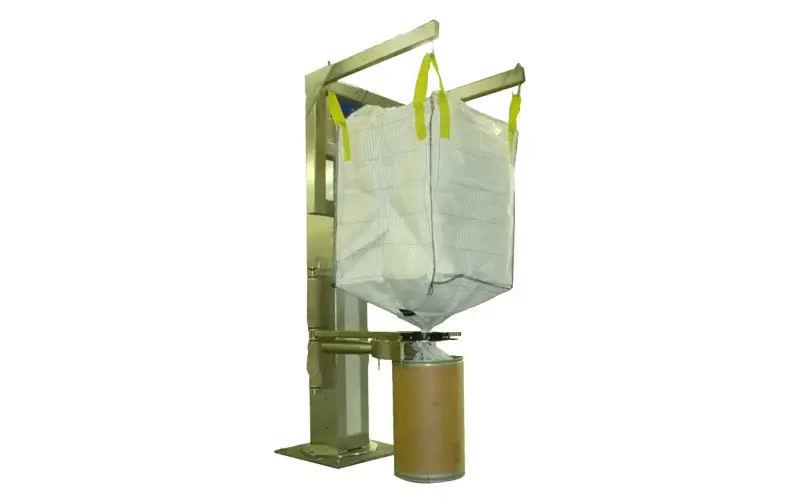
Key Components Of Bulk Material Handling Systems:
- Conveyors: Used to transport materials over long distances or between processes.
- Hoppers and Silos: For temporary storage and controlled discharge of bulk materials.
- Stackers and Reclaimers: Essential for material storage in bulk and recovery when needed.
- Bucket Elevators: Designed for vertical lifting of bulk materials.
- Dust Collection Systems: To ensure a clean and safe working environment.
The Need For Flexible Bulk Material Handling Equipment
Modern industries face challenges such as fluctuating demand, evolving regulations, and the need for sustainability. Flexible bulk material handling equipment allows businesses to:
- Adapt to Changing Production Volumes: Easily scale operations up or down based on market demand.
- Handle Diverse Material Types: From fine powders to large aggregates, flexibility ensures compatibility with various materials.
- Ensure Regulatory Compliance: Equipment that can be modified to meet safety and environmental standards.
- Minimize Downtime: Quick adjustments and modular designs reduce maintenance-related disruptions.
Innovative Trends In Bulk Material Handling
As technology continues to advance, bulk material handling systems are becoming smarter, more efficient, and environmentally friendly. Here are some key innovations transforming the industry:
1. Automation and Smart Systems
Automated bulk material handling equipment integrates sensors, IoT (Internet of Things), and AI (Artificial Intelligence) for real-time monitoring and decision-making. These systems can:
- Detect material flow issues and adjust operations automatically.
- Provide predictive maintenance alerts to prevent breakdowns.
- Optimize energy consumption for cost savings and sustainability.
2. Modular Designs
Modular bulk material handling equipment offers unparalleled flexibility. Components can be added, removed, or replaced with ease, allowing businesses to:
- Reconfigure systems for new processes.
- Upgrade equipment without extensive downtime.
- Expand operations incrementally, reducing upfront costs.
3. Energy Efficiency
Sustainability is a priority across industries, and energy-efficient equipment plays a critical role. Features such as variable frequency drives (VFDs) and regenerative braking in conveyors reduce power consumption while maintaining performance.
4. Customization Options
Tailored bulk material handling solutions address unique operational needs. Customizations include:
- Specialized coatings for handling corrosive materials.
- Adjustable speeds for variable material flow rates.
- Compact designs for facilities with space constraints.
5. Eco-Friendly Features
Dust suppression systems, enclosed conveyors, and noise-reduction technologies contribute to a cleaner and safer environment. These innovations ensure compliance with environmental regulations while protecting worker health.
Applications Of Flexible Bulk Material Handling Equipment
1. Mining and Quarrying
In mining, bulk material handling systems manage ores, minerals, and waste efficiently. Equipment must withstand harsh conditions, such as heavy loads and abrasive materials. Flexible solutions include:
- Heavy-duty conveyors with impact-resistant belts.
- Mobile stackers for on-site flexibility.
- Dust control systems for improved air quality.
2. Agriculture
The agricultural sector relies on bulk material handling equipment for grains, seeds, and fertilizers. Flexibility ensures seamless operations during planting and harvest seasons. Key systems include:
- Grain elevators with adjustable heights.
- Hoppers with controlled discharge mechanisms.
- Mobile conveyors for field use.
3. Manufacturing
In manufacturing, materials like chemicals, plastics, and metals must be transported and processed efficiently. Flexible equipment enables manufacturers to:
- Adapt to new production lines.
- Handle diverse material sizes and weights.
- Maintain precision with automated controls.
4. Construction
Construction projects require equipment capable of handling aggregates, cement, and other building materials. Flexible solutions include portable conveyors and stackers that can be relocated as project needs evolve.
Benefits Of Investing In Flexible Bulk Material Handling Equipment
1. Improved Efficiency
Flexible systems reduce manual labor, streamline workflows, and increase throughput, resulting in significant time and cost savings.
2. Enhanced Safety
Modern equipment minimizes worker exposure to hazards such as dust, heavy loads, and moving parts. Automated systems further reduce the risk of human error.
3. Scalability
As businesses grow, scalable equipment allows them to expand operations without requiring complete system overhauls.
4. Cost-Effectiveness
Although the initial investment may be higher, flexible systems offer long-term savings through reduced downtime, lower maintenance costs, and improved energy efficiency.
5. Sustainability
Eco-friendly equipment reduces environmental impact, helping businesses meet sustainability goals and regulatory requirements.
Key Considerations When Choosing Bulk Material Handling Equipment
Selecting the right bulk material handling equipment requires careful evaluation of:
- Material Characteristics: Consider size, weight, abrasiveness, and flowability.
- Capacity Requirements: Ensure equipment can handle peak loads and future growth.
- Space Constraints: Choose compact designs for limited facilities.
- Environmental Factors: Account for temperature, humidity, and corrosive conditions.
- Maintenance Needs: Opt for systems with easy access to components and minimal upkeep requirements.
Conclusion
Flexible bulk material handling equipment is essential for businesses looking to thrive in today’s fast-paced industrial landscape. By embracing innovation, automation, and sustainability, companies can optimize their operations, reduce costs, and adapt to evolving challenges. Whether in mining, agriculture, manufacturing, or construction, investing in flexible solutions ensures long-term success and operational resilience.



Hello, I’m Ezra Stevens, a passionate blogger based in the United States. With a love for business, technology, and travel, I’m constantly exploring new ideas and sharing my insights. Join me on my journey as I uncover the latest trends, share valuable tips, and immerse myself in diverse cultures.