
 0
0
 0
0
The dredging industry has evolved significantly with the integration of technology, leading to increased efficiency and precision in marine and riverbed excavation. Automated dredge solutions have revolutionized the sector, offering enhanced operational control, cost savings, and environmental benefits. These cutting-edge technologies reduce human intervention while improving the accuracy and safety of dredging operations. This article explores how automated dredge systems enhance marine and riverbed dredging, detailing their advantages, applications, and the latest innovations.
The Need For Automation In Dredging
Automated Dredge is an essential activity for maintaining navigable waterways, preventing flooding, and supporting infrastructure projects such as ports and harbors. Traditional dredging methods often involve significant manual effort, posing challenges such as labor costs, inefficiencies, and safety concerns. Automation addresses these issues by integrating intelligent control systems, sensors, and real-time monitoring, ensuring precise dredging while minimizing risks and operational expenses.
Key Components of Automated Dredge Systems
Automated dredge solutions incorporate several advanced components that enhance their effectiveness. These include:
- GPS and Sonar Technology: Real-time location tracking and depth measurements enable precise dredging with minimal errors.
- AI and Machine Learning Algorithms: These technologies analyze data and optimize dredging operations based on historical and real-time information.
- Remote Monitoring and Control Systems: Operators can control dredging equipment from remote locations, reducing the need for on-site personnel and enhancing safety.
- Hydraulic and Electric Actuation Systems: These allow for precise control of dredging equipment, leading to more efficient excavation and material handling.
- Automated Cutter and Suction Mechanisms: These systems ensure continuous, efficient, and energy-saving dredging operations.
Benefits of Automated Dredge Solutions
The adoption of automated dredge solutions offers multiple advantages over conventional methods:
- Enhanced Efficiency and Productivity: Automation allows for continuous operations without the limitations of manual labor. Dredgers can operate 24/7, leading to faster project completion.
- Improved Accuracy and Precision: GPS-guided dredging ensures that excavation is conducted at the exact depth and location required, reducing unnecessary material removal and environmental disruption.
- Cost Savings: Reduced labor requirements, fuel consumption optimization, and minimized equipment wear contribute to significant cost reductions.
- Environmental Benefits: Automated systems optimize sediment removal, preventing over-dredging and minimizing ecological disturbances in marine and riverbed environments.
- Increased Safety: By reducing human intervention in hazardous dredging conditions, automation minimizes the risk of accidents and injuries.
- Data-Driven Decision Making: Advanced monitoring systems provide real-time data and analytics, helping operators make informed decisions to improve dredging efficiency.
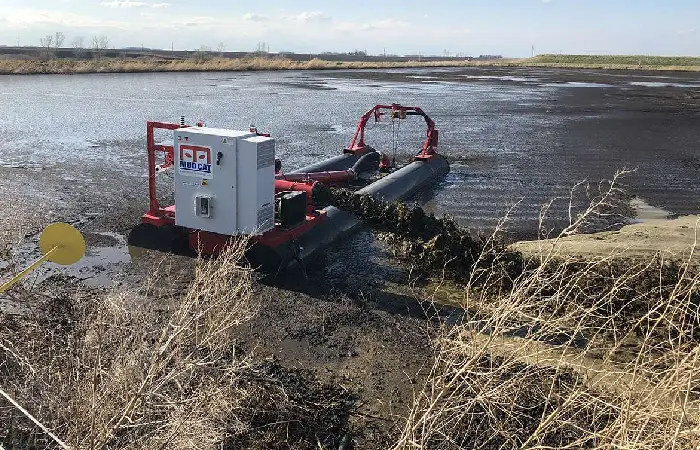
Applications Of Automated Dredge Technology
Automated dredge solutions are widely used across various sectors, demonstrating their versatility and effectiveness in multiple applications:
- Port and Harbor Maintenance: Automated dredgers ensure ports remain navigable by removing sediment buildup, improving vessel accessibility.
- River and Canal Dredging: Keeping waterways clear of sedimentation prevents flooding and maintains the natural flow of rivers and canals.
- Land Reclamation Projects: Precision dredging is crucial for land expansion initiatives, ensuring proper excavation and material placement.
- Mining and Resource Extraction: Automated dredging enhances the extraction of valuable minerals and aggregates from riverbeds and seabeds.
- Environmental Remediation: Controlled sediment removal prevents contamination spread and supports ecosystem restoration efforts.
The Role Of Ai And Iot In Automated Dredging
Artificial intelligence (AI) and the Internet of Things (IoT) have significantly contributed to the advancement of automated dredge technology. AI-driven algorithms analyze dredging patterns, optimize excavation efficiency, and predict maintenance needs. IoT-enabled sensors provide real-time data on dredging conditions, allowing operators to adjust processes remotely. These innovations enhance precision, reduce downtime, and contribute to a more sustainable dredging industry.
Challenges And Future Prospects
While automated dredge solutions offer numerous benefits, they also come with challenges that need to be addressed for widespread adoption:
- High Initial Investment: Implementing automated systems requires substantial capital expenditure, which may deter some organizations.
- Technical Expertise Requirement: Operators and engineers need specialized training to manage and maintain automated dredging equipment.
- Integration with Existing Systems: Ensuring compatibility with legacy dredging infrastructure can be complex and costly.
Despite these challenges, the future of automated dredging looks promising. Emerging technologies such as autonomous vessels, AI-enhanced predictive maintenance, and eco-friendly dredging solutions are expected to drive further advancements in the industry. As automation continues to evolve, its adoption will become more accessible and cost-effective, making it the standard for marine and riverbed dredging operations.
Conclusion
Automated dredge solutions have transformed marine and riverbed dredging by enhancing efficiency, accuracy, and safety while reducing costs and environmental impact. The integration of AI, IoT, and advanced monitoring systems has made automated dredging a viable and sustainable alternative to traditional methods. As technology continues to progress, the industry will witness even greater improvements in dredging operations, ensuring the maintenance and development of crucial waterways worldwide.



Hello, I’m Ezra Stevens, a passionate blogger based in the United States. With a love for business, technology, and travel, I’m constantly exploring new ideas and sharing my insights. Join me on my journey as I uncover the latest trends, share valuable tips, and immerse myself in diverse cultures.