
 0
0
 0
0
When embarking on a home design project, whether for a new build or a renovation, having a clear vision of the final outcome is crucial. While traditional blueprints and sketches can offer insights, they often fall short in conveying the true feel of a space. This is where exterior home renderings come into play. These powerful visual tools are revolutionizing how architects, designers, and homeowners approach the home design process, offering a more immersive and accurate representation of what the final project will look like.
In this article, we’ll explore how exterior home renderings enhance the architectural design process, improve client collaboration, and lead to more efficient project execution. Whether you’re an architect, a homeowner, or a design enthusiast, understanding the value of exterior renderings can elevate your design experience and set you on the path to success.
1. What Are Exterior Home Renderings?
Exterior home renderings are 3D visualizations of the exterior of a building or home. These renderings are created using advanced computer graphics software, allowing designers to produce highly detailed and realistic images of a home’s facade, landscaping, and surrounding environment. Unlike traditional 2D drawings, these renderings give a clear, lifelike preview of what the completed project will look like, including how it will look at different times of the day, in varying weather conditions, and from multiple perspectives.
The technology behind exterior renderings can create photorealistic images that showcase every detail—from textures of walls and roofs to the play of natural light and shadow across the surfaces. This level of detail is especially beneficial in making decisions about materials, colors, and overall aesthetic choices.
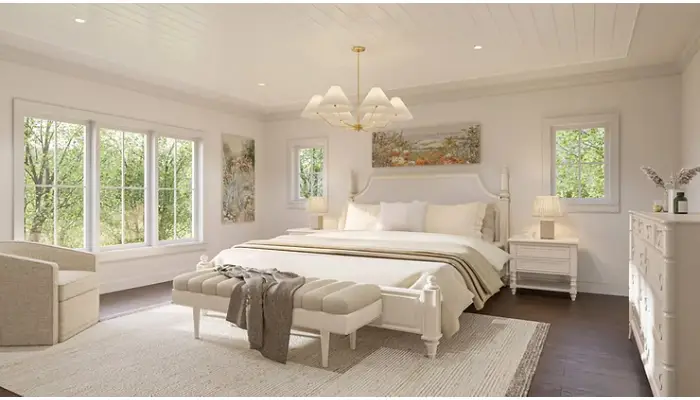
2. The Role of Exterior Home Renderings in Client Communication
One of the most significant challenges in architecture and design is ensuring that clients fully understand what they are getting. Miscommunication and misaligned expectations often arise when clients rely solely on blueprints or sketches, which can be abstract and difficult to interpret. Here, exterior renderings serve as a bridge between conceptual designs and final execution.
For clients, seeing a rendered image of their future home can clarify what the design will look like in the real world. Instead of imagining what a design might look like from a floor plan or an artist’s sketch, they can visualize the actual home from various angles. This ensures that everyone involved in the project—whether clients, architects, or contractors—are on the same page, reducing the chances of costly revisions or misunderstandings later in the project.
3. Enhancing Design Precision and Decision-Making
Exterior renderings provide a level of precision that traditional methods simply cannot match. With the ability to render complex details such as lighting, textures, and shadows, designers can fine-tune the appearance of the building to ensure that every element works in harmony. Whether it’s the placement of windows, the type of roofing material, or the landscaping design, renderings help make decisions that might otherwise seem abstract or speculative.
For instance, designers can test different color schemes and materials through a rendering before making a final choice. They can also experiment with how the building will look under different weather conditions or at varying times of the day. This eliminates the guesswork often involved in architectural design and enhances the overall precision of the project.
Additionally, the ability to make these adjustments early on helps avoid costly changes during construction. If a client isn’t happy with a rendering, adjustments can be made digitally, saving time and money.
4. Streamlining Project Management and Reducing Delays
Exterior home renderings can significantly streamline the overall project management process. With a realistic visualization of the finished design, contractors and builders have a clearer understanding of what needs to be done, reducing the risk of delays. Since the rendering provides a clear visual reference, it helps mitigate errors and prevents the miscommunication that often arises from written instructions or hand-drawn designs.
For example, contractors can use these renderings to understand how different elements of the exterior design will come together—such as how the siding, windows, and doors will align. This greater understanding can lead to fewer revisions on-site, smoother workflows, and faster construction timelines.
Moreover, with the rise of collaborative project management tools, these renderings can be shared with all stakeholders in real time, keeping everyone up to date and involved. This level of collaboration ensures that the project progresses on schedule and within budget, improving overall efficiency.
5. The Impact of Exterior Renderings on Property Value and Appeal
For homeowners looking to sell or rent their property, exterior home renderings can serve as an invaluable marketing tool. High-quality renderings of a home’s exterior can help potential buyers or renters visualize the space, even before it’s built or fully renovated. This can be particularly effective for pre-sale properties, helping them stand out in a competitive market.
By showcasing a property with photorealistic images, sellers and realtors can highlight its best features, such as architectural details, landscaping, or the integration of outdoor living spaces. In some cases, well-crafted exterior renderings can even increase a property’s perceived value by presenting it in the best possible light.
Furthermore, for architects and designers who create these renderings, they can be used as part of a portfolio to attract new clients. A strong portfolio featuring stunning, realistic renderings can convey professionalism and skill, which is essential in a highly competitive design industry.
Conclusion
As technology continues to evolve, so too will the capabilities of exterior home renderings. With advancements in virtual reality (VR) and augmented reality (AR), clients may soon be able to experience their home designs in an even more interactive way. For example, VR could allow clients to “walk through” a design, experiencing the space as though it already existed. This immersive technology would take the client experience to the next level, further solidifying the role of exterior renderings in modern design practices.
Exterior home renderings are more than just a luxury for homeowners and architects—they are a necessity for effective communication, precise design, and efficient project management. Whether you’re designing a new home, remodeling an existing one, or simply exploring new ideas, investing in exterior renderings can make all the difference in ensuring the success of your project.
With the ever-increasing demand for more personalized and realistic design experiences, the future of architectural rendering looks incredibly bright, promising even greater innovation and collaboration in the years to come.
Resource URL:
https://en.wikipedia.org/wiki/External_render
https://www.renderexpo.com/exterior-design-and-rendering


Hello, I Diwasu author of Drunken poets of Sarasota, Drunken Poets is composed of people who live in Sarasota and see potential in this city.