
 0
0
 0
0
Sleep is a vital component of overall health and well-being, yet millions of people struggle with undiagnosed sleep disorders that severely impact their quality of life. Among these disorders, obstructive sleep apnea (OSA) stands out as one of the most common and potentially serious conditions. Fortunately, advancements in medical technology have made diagnosing sleep apnea more accessible and convenient than ever before through the home sleep apnea test. This article explores how a home sleep apnea test can help improve sleep quality, the benefits of at-home testing, and what to expect from the process.
Understanding Sleep Apnea And Its Impact On Sleep Quality
Sleep apnea is a disorder characterized by repeated interruptions in breathing during sleep. The most common form, obstructive sleep apnea, occurs when the muscles in the throat relax excessively, blocking the airway. This leads to brief awakenings throughout the night as the body struggles to resume normal breathing.
These frequent disruptions prevent deep, restorative sleep, leading to symptoms such as excessive daytime fatigue, difficulty concentrating, morning headaches, and irritability. Over time, untreated sleep apnea can increase the risk of serious health issues including hypertension, heart disease, stroke, and diabetes.
Home sleep apnea test, early diagnosis and treatment of sleep apnea are critical. However, many individuals remain undiagnosed due to the traditional reliance on overnight sleep studies conducted in clinical settings, which can be inconvenient and costly.
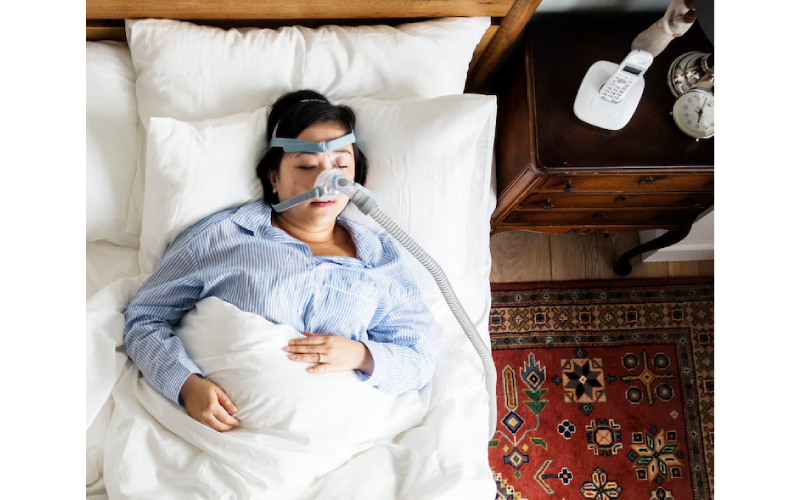
What Is A Home Sleep Apnea Test?
A home sleep apnea test (HSAT) is a simplified diagnostic tool designed to assess whether a person has sleep apnea from the comfort of their own home. Instead of spending a night in a sleep lab hooked up to numerous sensors, patients use a portable device that records key breathing and oxygenation data while they sleep in their usual environment.
These tests typically measure parameters such as:
- Respiratory airflow
- Oxygen saturation levels
- Heart rate
- Breathing effort
While a home sleep apnea test is less comprehensive than in-lab polysomnography, it is highly effective in identifying moderate to severe cases of obstructive sleep apnea. This makes it an excellent first step for many patients suspected of having the condition.
Benefits Of A Home Sleep Apnea Test
Choosing a home sleep apnea test offers several advantages that can make the diagnosis process easier and more accessible:
Convenience and Comfort
One of the greatest benefits is the ability to sleep in your own bed without the disruptions of unfamiliar surroundings or complex equipment. This often leads to a more natural sleep pattern and potentially more accurate results.
Cost-Effectiveness
Home sleep apnea tests are generally more affordable than traditional overnight lab studies. This affordability increases accessibility for many patients who might otherwise delay diagnosis due to financial concerns.
Faster Results
The home testing process is typically quicker. Once you complete the test, the device is returned to your healthcare provider, and results are analyzed promptly. This speeds up the time to diagnosis and treatment initiation.
Simplified Setup
Modern home sleep apnea testing devices are user-friendly, designed with minimal sensors that are easy to attach. Clear instructions and support from healthcare providers help patients set up the test accurately without professional assistance.
Who Should Consider A Home Sleep Apnea Test?
Home sleep apnea tests are ideal for individuals with symptoms indicative of moderate to severe obstructive sleep apnea and who do not have significant other health conditions that might complicate diagnosis.
Common symptoms suggesting the need for testing include:
- Loud, chronic snoring
- Frequent choking or gasping during sleep
- Excessive daytime sleepiness despite adequate sleep hours
- Morning headaches
- Difficulty focusing or memory problems
- Observed pauses in breathing reported by a bed partner
However, people with more complex medical conditions, such as heart failure, chronic lung disease, or significant neurological disorders, may require in-lab polysomnography for a more detailed evaluation.
How To Prepare For A Home Sleep Apnea Test?
Proper preparation ensures accurate results from your home sleep apnea test. Here are some tips to prepare:
- Follow your healthcare provider’s instructions carefully when setting up the device.
- Avoid consuming caffeine or alcohol in the evening, as these can affect sleep quality.
- Stick to your regular sleep schedule to provide a true picture of your natural sleep patterns.
- Inform your provider of any medications you are taking that might influence sleep or breathing.
- Ensure the device is securely attached before going to bed.
Your healthcare team will guide you through the entire process, from receiving the device to returning it for analysis.
What Happens After The Test?
Once you have completed the home sleep apnea test, the collected data is sent to a sleep specialist or your healthcare provider for review. They will analyze the information to determine if sleep apnea is present and assess its severity.
If the test indicates sleep apnea, your provider will discuss treatment options with you. Treatment may include lifestyle changes, Continuous Positive Airway Pressure (CPAP) therapy, oral appliances, or, in some cases, surgical interventions.
If the test does not indicate sleep apnea but symptoms persist, your provider may recommend further evaluation or alternative diagnoses.
Improving Sleep Quality Through Early Diagnosis
By utilizing a home sleep apnea test, many individuals can obtain an earlier diagnosis, allowing for timely intervention to restore healthy sleep. Treatment of sleep apnea can lead to significant improvements in daytime energy, mood, cognitive function, and overall quality of life.
Moreover, treating sleep apnea reduces risks related to cardiovascular disease, diabetes, and other complications, contributing to better long-term health.
Limitations Of Home Sleep Apnea Tests
While home sleep apnea tests offer many benefits, they also have limitations:
- They mainly detect obstructive sleep apnea and may miss other sleep disorders like central sleep apnea or periodic limb movement disorder.
- The test may not be suitable for people with significant comorbidities or complex sleep issues.
- A failed or incomplete test may require repeating the study or conducting an in-lab polysomnography.
Your healthcare provider will help determine if a home sleep apnea test is appropriate for you.
Conclusion
If you suspect you suffer from sleep apnea, a home sleep apnea test offers a convenient, cost-effective, and comfortable way to get diagnosed. Early identification and treatment of sleep apnea can dramatically improve your sleep quality and overall health, reducing risks associated with untreated sleep disorders.
Consult your healthcare provider to see if a home sleep apnea test fits your needs. Taking this step could be the key to better sleep and a healthier life.


Hello, I Diwasu author of Drunken poets of Sarasota, Drunken Poets is composed of people who live in Sarasota and see potential in this city.