
 0
0
 0
0
Custom sheet metal fabrication is a critical process in many industries, from aerospace and automotive to construction and electronics. It involves the precise cutting, bending, and shaping of metal sheets to create parts and products tailored to specific specifications. However, production delays in custom sheet metal fabrication can occur due to a variety of factors, and these delays can significantly impact project timelines, costs, and customer satisfaction.
In this article, we’ll explore common causes of production delays in custom sheet metal fabrication and provide strategies for overcoming these challenges. Whether you’re a manufacturer, engineer, or project manager, understanding how to address these issues will help ensure smoother production processes and meet deadlines more effectively.
Understanding The Challenges Of Custom Sheet Metal Fabrication
Custom sheet metal fabrication is inherently complex due to the variety of materials used, intricate design requirements, and tight tolerances often required for parts. The process includes several stages such as:
- Design and Prototyping: A precise design is required before fabrication can begin. Prototyping allows for testing of the design’s fit and functionality.
- Material Selection: The choice of metal material (e.g., steel, aluminum, copper) can affect the performance and cost of the final product.
- Cutting, Bending, and Forming: Machines are used to cut, bend, and form metal sheets into the desired shape, which must be done with high accuracy.
- Assembly and Finishing: Once the parts are fabricated, they often need to be assembled or further processed (e.g., painting, coating).
Each of these stages presents potential risks for delays if not managed efficiently.
Common Causes Of Production Delays In Custom Sheet Metal Fabrication
Understanding the root causes of production delays is the first step to addressing them. Here are some of the most common reasons for delays in custom sheet metal fabrication:
a) Design Errors or Changes
One of the most frequent reasons for delays in custom sheet metal fabrication is changes or errors in the design. Custom projects are often subject to revisions or last-minute adjustments, and if these changes aren’t communicated effectively, it can cause significant setbacks.
- Solution: Implement a clear communication protocol to ensure all stakeholders are aligned on design specifications. Utilizing CAD (computer-aided design) software and prototypes can help in visualizing and testing designs before production begins, reducing the need for changes during fabrication.
b) Material Shortages
The materials used in custom sheet metal fabrication (such as aluminum, stainless steel, or copper) are subject to market fluctuations. Shortages in supply chains, especially for specialized materials, can lead to delays in production.
- Solution: Build strong relationships with multiple suppliers to ensure reliable access to materials. Additionally, forecasting demand and keeping an inventory of key materials can mitigate shortages. Consider establishing long-term contracts with suppliers to secure materials at fixed prices.
c) Machine Downtime and Maintenance Issues
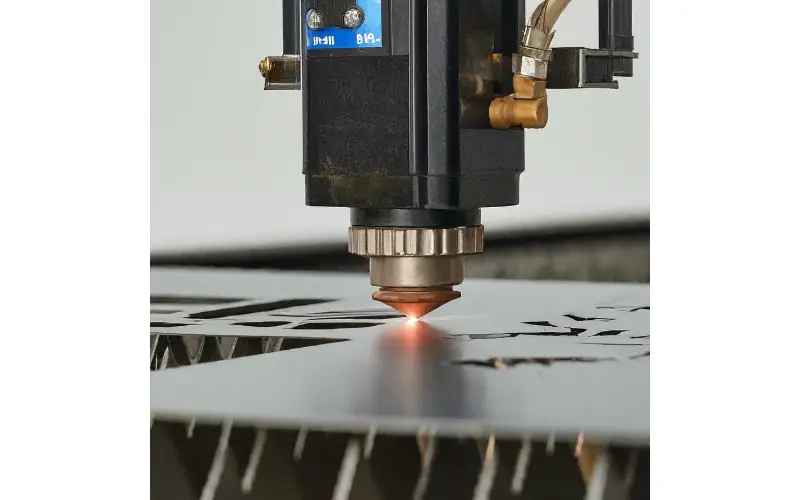
Modern custom sheet metal fabrication relies heavily on advanced machinery, such as CNC (computer numerical control) machines, laser cutters, and press brakes. If these machines break down or require maintenance, production can come to a halt.
- Solution: Regular preventive maintenance is crucial to avoid unexpected downtimes. Having a dedicated technician or team to monitor and maintain machines can reduce the risk of breakdowns. Additionally, investing in redundant equipment can ensure that production can continue while repairs are made.
d) Labor Shortages or Skill Gaps
Skilled labor is essential for quality custom sheet metal fabrication. Labor shortages, training gaps, or turnover can create delays, especially when specialized expertise is needed for intricate tasks.
- Solution: Invest in employee training and development to ensure that the team is well-equipped to handle advanced fabrication techniques. Hiring experienced workers or outsourcing to specialized subcontractors can also help meet deadlines.
e) Quality Control Issues
Ensuring that custom sheet metal parts meet the required quality standards is critical to success. However, issues with quality control can lead to rework, scrapping of parts, or delays while waiting for inspections and approvals.
- Solution: Implement robust quality control systems at every stage of the fabrication process. Utilizing advanced inspection tools like coordinate measuring machines (CMMs) can ensure accuracy and prevent issues from escalating into delays.
f) Lack of Effective Project Management
A lack of coordination and planning among teams can lead to inefficiencies, missed deadlines, and disorganized production processes. Without a clear project management structure, it’s easy for tasks to get delayed or overlooked.
- Solution: Employ a skilled project manager who can track all aspects of the fabrication process. Project management software can be used to monitor timelines, materials, and progress, ensuring deadlines are met.
Strategies To Overcome Production Delays In Custom Sheet Metal Fabrication
Addressing production delays in custom sheet metal fabrication requires a proactive approach that involves both preventive measures and responsive actions. Here are some strategies that can help overcome delays:
a) Optimizing Workflow with Lean Manufacturing
Lean manufacturing principles aim to eliminate waste and improve efficiency. By streamlining workflows, reducing unnecessary processes, and optimizing machine usage, you can minimize downtime and improve production timelines.
- Solution: Implement lean manufacturing techniques such as value stream mapping, just-in-time production, and continuous improvement initiatives to increase efficiency and reduce delays. These principles can help reduce bottlenecks and make better use of resources.
b) Adopting Advanced Technology
Investing in advanced technologies like CNC machines, robotic automation, and additive manufacturing (3D printing) can significantly improve the speed and accuracy of custom sheet metal fabrication. Automation can also reduce labor costs and decrease the potential for human error.
- Solution: Stay updated with the latest technological advancements in the industry. Integrating automation tools into the fabrication process will not only reduce delays but also improve the overall quality and consistency of the products.
c) Developing a Robust Supply Chain Strategy
A reliable and well-managed supply chain is vital for ensuring that materials and parts arrive on time. Diversifying suppliers and building strong relationships with key partners can help mitigate the risks of shortages and delays.
- Solution: Develop a multi-supplier strategy and consider sourcing materials from different regions to reduce dependence on any single source. This way, if one supplier faces delays, alternatives can be quickly accessed.
d) Effective Communication and Collaboration
Regular and clear communication between all teams involved in the custom sheet metal fabrication process is essential. From design and procurement to production and delivery, all departments need to be on the same page.
- Solution: Use collaborative project management tools that allow all stakeholders to stay informed about the status of the project. Regular meetings and updates can help identify potential issues early and allow for swift corrective actions.
e) Implementing a Flexible Workforce
Having a flexible workforce that can quickly adapt to changing demands or urgent deadlines is essential in reducing production delays.
- Solution: Hire temporary staff or partner with external fabrication specialists who can provide additional labor during peak periods. Cross-train employees so they can take on different tasks, ensuring that operations continue smoothly even in the event of labor shortages.
Conclusion
Overcoming production delays in custom sheet metal fabrication requires careful planning, proactive management, and a focus on efficiency. By addressing common causes of delays and implementing the strategies outlined above, manufacturers can significantly improve their ability to meet deadlines and produce high-quality products on time. Whether through improved communication, advanced technology, or a more flexible workforce, overcoming delays in custom sheet metal fabrication is possible with the right approach. By continually optimizing processes, investing in the right tools and technologies, and maintaining effective supply chains and workflows, companies can mitigate the impact of production delays and enhance overall productivity.



Hello, I’m Ezra Stevens, a passionate blogger based in the United States. With a love for business, technology, and travel, I’m constantly exploring new ideas and sharing my insights. Join me on my journey as I uncover the latest trends, share valuable tips, and immerse myself in diverse cultures.