
 0
0
 0
0
Stretch marks are not just a cosmetic nuisance; they’re also indicative of chronic stretch injury. When you do any kind of physical activity that stretches your skin, there’s a good chance you’ll get stretch marks. Marks can be really disheartening, but they don’t have to be. If you understand the reasons why stretch marks happen and how to treat them, you can start to look at them with a bit more optimism. In this blog post, we will discuss the causes and symptoms of marks, as well as how to treat them using natural remedies. Leave the painful marks behind and learn how to treat them today!
What are stretch marks?
Stretch marks are scars that form when the skin stretches or tears. A stretch mark treatment treats stretch that occurs on any part of your body but is most common on the abdomen, breasts, thighs, and buttocks. Stretch marks may split, turn red, and itch. Most marks fade over time, but they can be treated if they’re causing pain or discomfort.
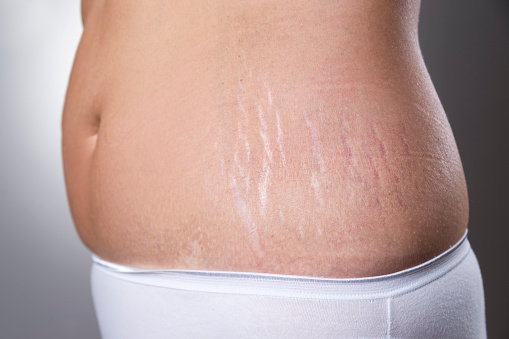
There is no one cause of marks, but they can be caused by a number of factors, including puberty, pregnancy, weight loss or gain, childbirth, and muscle growth.
The Causes of Stretch Marks
Stretch marks are ridges or lines that occur on the skin when it is subjected to increased flexibility or elongation. The most common cause of marks is childbirth, but they can also be caused by other activities like weight lifting or dancing.
There is not one specific treatment for marks, but there are a variety of things that you can do to help improve their appearance. Some people swear by topical treatments like lotions and creams, while others prefer more invasive methods like surgery. If you are concerned about your mark appearance, consult with your doctor about the best way to treat them.
The Different Types of Stretch Marks
Marks are common and occur when the skin stretches beyond its normal range. The severity and appearance of marks depend on a number of factors, including genetics and weight gain/loss.
There are three main types of stretch marks: elastic (fibrous), striae (lines or bands), and keloid scars.
- Elastic stretch marks are the most common type and typically fade with time.
- Striae stretch marks may become red, raised, or scaly, but usually fade over time as well.
- Keloid scars are particularly prone to developing into cancer, so it’s important to monitor them closely.
There is no cure for mark treatment, but various treatments can be effective in different cases. Some patients opt for laser treatments that break down the scar tissue; others use topical creams or injections that promote collagen production. Many people also find relief from massage or devices such as compression stockings that apply pressure to the area where the Marks exist [source: Kippel].
How to reduce the appearance of stretch marks
There is no one-size-fits-all solution to reducing the appearance of marks, as the condition will vary depending on the individual.
Some tips for minimizing their appearance include:
- Avoid rubbing or irritating the skin.
- Keep skin moisturized and covered.
- Apply SPF sunscreen to exposed areas if desired.
- Avoid wearing tight clothing that is too constricting or restrictive.
- Avoid using harsh soaps and scrubs on the skin which can cause irritation and redness.
- Try topical treatments such as glycolic acid, retinoids, or Matrixyl 3000 which are known to improve the appearance of marks over time.
- Consult with a dermatologist or plastic surgeon who can provide more specific advice on how to reduce the appearance of stretch marks.
How to Treat Stretch Marks
Marks are a common occurrence after rapid or significant weight gain or loss, childbirth, major muscle trauma, or surgery. Marks may also occur as a result of age and environmental factors such as sun exposure.
There is no one definitive treatment for marks but various treatments may help. Some people recommend using topical creams, lotions, or oils to reduce the appearance of marks. Others recommend applying light massage to the affected area multiple times per day. Some people use laser treatments to shrink the mark and improve its appearance.
Stretch marks are a natural occurrence and will vary in severity. If you are concerned about the appearance of your marks, it is best to speak with a healthcare professional.
Conclusion
Stretch marks are a common occurrence during weight loss or pregnancy, and can happen to any body type. The good news is that they can be treated with the right products and treatments, whether you’re looking for short-term relief or long-term prevention. If you’re unhappy with your marks, don’t hesitate to consult with a dermatologist who can recommend the most effective approach for you. Thanks for reading!


Hello, I Diwasu author of Drunken poets of Sarasota, Drunken Poets is composed of people who live in Sarasota and see potential in this city.