
 0
0
 0
0
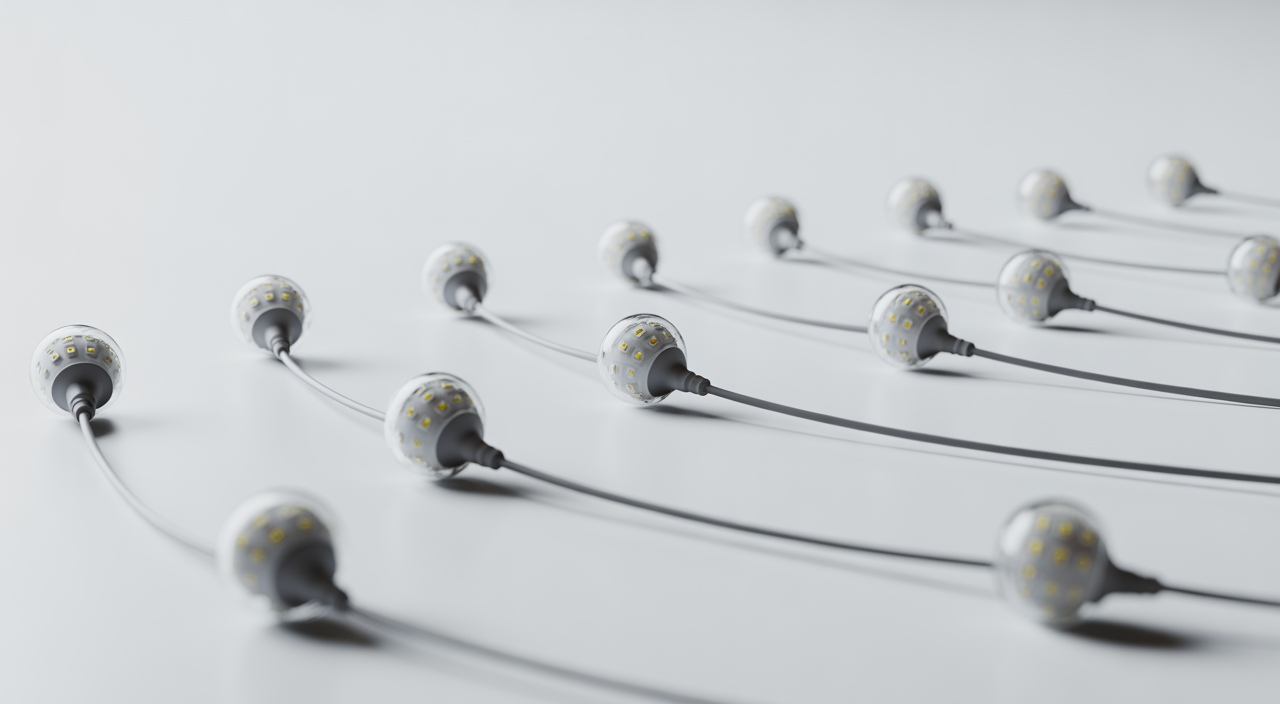
Working on a model train, dollhouse, cosplay prop, or DIY décor? Then you already know that light can turn a simple project into something truly eye-catching. That is where small led light bulbs shine, both literally and in terms of flexibility.
These tiny LEDs fit into tight corners, run on low power, and stay cool. They are perfect for craft lighting, model scenes, and electronic hobbies. Let us break down what they are, how they work, and how to pick the best ones for your ideas.
Types Of Small LED Bulbs You Will See
Small LEDs come in many shapes and sizes. Knowing the main types saves you money and avoids wrong orders.
- G4 base LEDs: Two thin pins close together. Common in small fixtures, cabinet lights, and model lighting conversions.
- T5 and T10 “wedge” LEDs: The base looks like a small plastic wedge. Often used in dashboards, small lamps, and hobby panels.
- BA9s and similar bases: Round metal base that twists into a socket. Good for indicator lights and control panels.
- Micro and “pico” LEDs: Tiny LED diodes on thin wires. Ideal for scale models, mini LED lights for crafts, and tight cosplay details.
You will also see strip-style low-voltage LED lights and pre-wired LEDs with resistors already attached. These are very friendly for beginners.
Voltage Options: 3V, 5V, 12V And More
Voltage is simply the electrical “pressure” that drives current through your tiny LED bulbs. Match it correctly and the light is bright and safe. Mix it up and you may burn the LED or keep it too dim.
- 3V or 5V LEDs: Great for direct connection to small batteries or USB power. Popular in electronics projects and DIY LED hobby projects.
- 9V or 12V LEDs: Common for model railways, RC setups, and car-style lighting. Easy to run from wall adapters or battery packs.
- 110–240V “mains” LEDs: These small LED bulbs have built-in electronics so they can connect to household power. Use them only in approved fixtures and follow local safety rules.
When possible, choose low-voltage LED bulbs for models and crafts. They are safer to handle and easier to wire.
Key Specs: What Really Matters
Rather than guessing, look at a few simple numbers on the LED description.
- Lumens, not watts: Lumens measure brightness. Watts show power use. For hobby lighting LEDs, compare lumens if you want to know how bright they will look.
- Color temperature: Warm white (around 2700–3000K) looks like a soft lamp. Cool white (5000–6000K) looks bright and crisp. Warm suits cozy rooms and dioramas; cool suits sci‑fi and workshop scenes.
- Beam angle: A narrow angle (like 30°) is a spotlight. A wide angle (90° or more) spreads light evenly, ideal for room-style scenes.
- Current and heat: Good quality small form-factor LEDs run cool. If an LED feels very hot, it may be overloaded or poorly driven.
How To Choose The Right Small LED For Your Project
Here is a simple way to decide, step by step.
- Start with power source: Are you using a battery, USB, a 12V adapter, or a wall socket? Pick LEDs that match that voltage or slightly below.
- Check the space: Measure how much room you have. For tiny spots, micro LED bulbs on thin wires are usually best.
- Pick the mood: Cozy, warm scenes need warm white. Futuristic or outdoors scenes often look better with cool white or color-changing LEDs.
- Decide beam type: Highlight a single object with a narrow beam. Light up a whole room or display with a wide beam.
This simple flow keeps you from buying parts you will not use.
Quick Guide To Resistors For 12V LED Circuits
If your LED is not “pre-wired,” you may need a small resistor. This tiny part protects the LED from too much current.
- Find the LED working voltage (for example, 3V).
- Note your supply voltage (for example, 12V).
- Subtract LED voltage from supply voltage (12V – 3V = 9V).
- Use a simple online LED resistor calculator by entering this value and the LED current.
Many hobby LEDs already include a suitable resistor. For your first few projects, pre-wired options make life very easy.
Mounting And Wiring Tips For Neat Results
Clean wiring makes your project safer and better looking.
- Use thin, flexible wire so you can hide it in walls, under floors, or inside props.
- Plan cable paths before you glue anything down.
- Use heat-shrink tubing or electrical tape over bare joints.
- Test each LED as you add it, so you catch problems early.
For larger décor or display pieces, ideas from stylish LED lighting for rooms and walls can inspire how you place your tiny lights too.
Fun Hobby Uses For Small LEDs
Small LED light bulbs can lift almost any creative project.
- Scale models and trains: Add working headlights, streetlamps, station lights, and glowing windows to bring scenes to life.
- Cosplay and costumes: Use micro LED lights in helmets, staffs, armor lines, and “magic” props. Lightweight batteries slip into belts or pockets.
- Dollhouses and dioramas: Create hanging lamps, table lamps, fireplaces, and TV screens with gentle glow effects.
- DIY décor: Backlight wall art, bottles, or shelves with compact LED lighting for a modern look.
Once you start, you will see lighting ideas in almost every creative project around you.
Top Small LED Options For Hobby Projects
For hobbyists, it helps to use LEDs made specifically for crafts and models. Look for sets with:
- Pre-attached resistors for common voltages like 3V, 5V, or 12V.
- Ready-to-use wires that are long enough to route through your model or décor.
- Choices of colors, from warm white to bright blue, green, or multi-color.
Specialist hobby collections group the best mini LED bulbs for model railways, RC cars, and craft projects in one place, so you do not waste time looking at bulky home bulbs.
Looking After Your Small LEDs
High-quality tiny LED bulbs last a long time, but a few habits help them stay bright.
- Avoid bending the wires right at the LED body; leave a gentle curve.
- Keep dust away from lenses by gently wiping with a soft, dry cloth.
- Do not exceed the rated voltage, even “just to see what happens.”
- If a light flickers, check connections first, then power supply.
With simple care, your craft lighting can stay beautiful for years.
Bringing It All Together
Small LED light bulbs are one of the easiest ways to add drama, realism, and color to your hobbies. When you match voltage, base type, brightness, and color to your project, wiring becomes simple and safe. From mini dioramas to bold décor pieces, these tiny lights open up a world of creative options.
If you enjoy decorative and creative projects in general, you might also like exploring budget-friendly ways to personalize your space, then adding LEDs as the final touch.
FAQs About Small LED Light Bulbs
Q1: Can I run several small LEDs from one battery?
Yes, you can. Make sure the total current draw is within what the battery can safely provide, and that each LED has the right resistor or built-in driver. Many hobby sets show simple diagrams for connecting multiple LEDs in parallel to a single power source.
Q2: Are small LEDs safe for children’s projects?
Low-voltage LEDs powered by 3V or 5V batteries are generally very safe, as they stay cool and use very little current. For young children, an adult should handle any cutting, soldering, or wiring, while kids can enjoy placing lights and designing the scenes.
Q3: How do I know if I need a pre-wired LED or a bare LED?
If you are new to electronics or want fast, tidy results, choose pre-wired LEDs with resistors already included. If you are comfortable using an LED resistor calculator, or you need a very custom layout, bare LEDs give more control but require a bit more knowledge.


Hello, I Diwasu author of Drunken poets of Sarasota, Drunken Poets is composed of people who live in Sarasota and see potential in this city.