
 0
0
 0
0
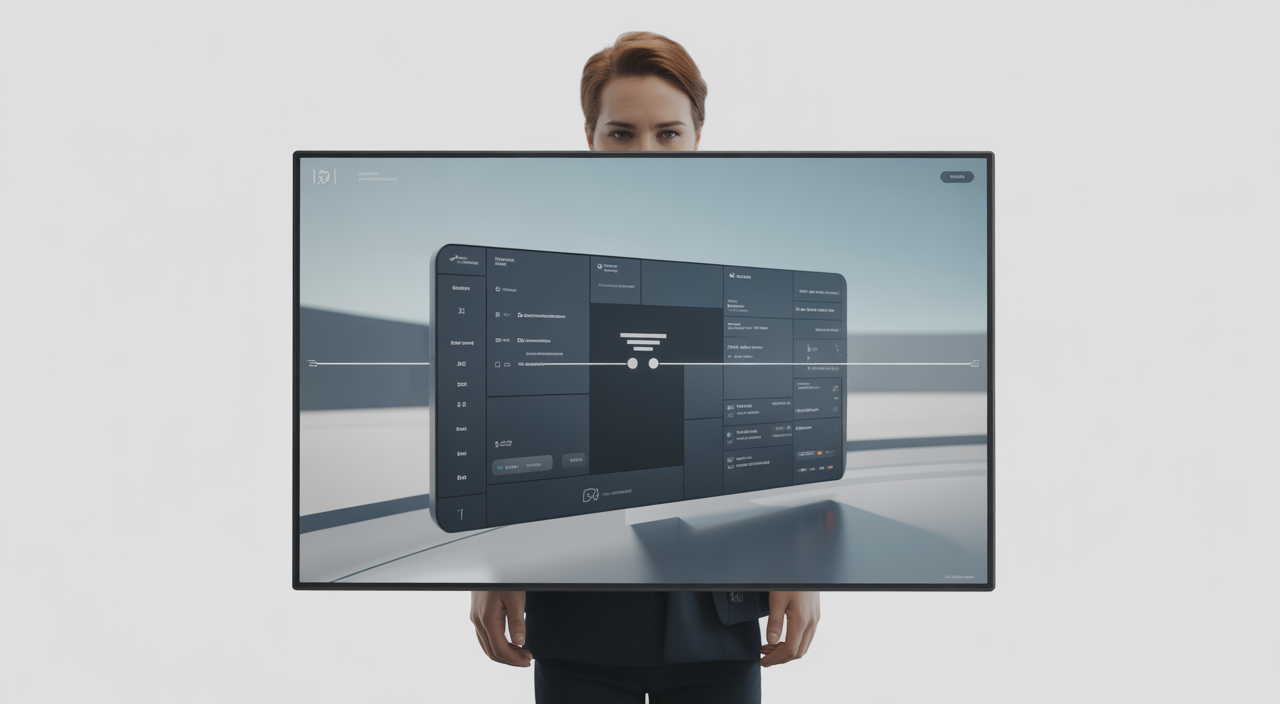
What Is A Composable DXP And Why Does It Matter Now?
A digital experience platform, or DXP, is the backbone behind your website, app, customer portal, and marketing tools. A composable DXP takes this idea further by letting you pick and choose the best tools for each task, then connect them through APIs so they work as one smooth system. When you look for composable DXP services Burnaby, you are exploring this modular, flexible way of building your digital stack.
For Burnaby companies, this is a big shift from older, all-in-one platforms. Instead of being stuck with one vendor for everything, you can build a “Lego-style” digital experience. This is powerful if you are serving customers across web, mobile, marketplaces, and even offline touchpoints.
Indian investors and founders who work with teams in Burnaby can benefit from this approach too. It allows you to scale into North American markets without rebuilding your tech from scratch each time.
Composable DXP Vs Traditional CMS And Monolithic DXP
A traditional CMS focuses mainly on managing and publishing content to a website. A monolithic DXP is bigger, with many features like personalization, analytics, and marketing tools built into one large system. These older models can work, but they are often hard to change, slow to upgrade, and costly to maintain.
A composable DXP is different in three clear ways:
- Modular digital experience: You use small, focused services for content, search, personalization, payments, and more.
- API-first architecture: Every service connects through APIs, so your website, apps, and internal tools can all talk to each other.
- Microservices DXP: Each part can be updated or replaced without breaking the whole system.
This style fits perfectly with a headless digital platform, where the “front end” (what users see) is separate from the “back end” (where content and logic live). For growing Indian companies partnering with Burnaby teams, this means faster experiments, better performance, and less risk.
Why Burnaby Is Ready For Composable DXP
Burnaby is a growing hub for technology, retail, education, and professional services. Many firms here already run online stores, self-service portals, and mobile apps. But they often struggle with legacy systems that cannot keep up with current customer expectations.
Local brands want to launch campaigns quickly, test new markets, and personalise experiences for users in Canada, India, and across Asia. A composable web stack supports this by letting teams ship features in weeks instead of months, while keeping data and security under control.
A Simple Burnaby Case Study Style Scenario
Consider a mid-sized manufacturing company based in Burnaby with sales offices in Mumbai and Bengaluru. They started with a basic CMS and separate tools for CRM, support tickets, and product catalogues. Over time, data became scattered, updates slowed down, and each new feature needed heavy development effort.
They moved to composable DXP services Burnaby specialists recommended. The new set-up used a headless CMS, API-led product data service, modern search, and secure order management. Within a year, they could launch local-language sites for Indian markets faster, align product content across channels, and track leads more clearly. Revenue from digital channels increased, and tech costs became easier to predict.
How To Choose The Right Composable DXP Provider In Burnaby
When you compare providers, do not look only at features. Focus on alignment with your business model and your future plans in both Canada and India. Here is a simple checklist you can use as a starting point:
- Do they have experience with headless CMS services Burnaby businesses actually use in production?
- Can they integrate with your existing CRM, ERP, and marketing tools?
- Do they support multi-region content, currencies, and languages for Indian and Canadian users?
- What is the typical DXP implementation Burnaby timeline they commit to?
- Are pricing and service level agreements (SLAs) clearly defined?
For deeper planning, some teams even hire experts who specialise in RFPs and vendor selection. Guides on topics like writing a strong digital RFP can help you ask sharper questions and avoid surprises later.
What About Cost And ROI?
Costs for a composable digital experience platform Burnaby project can vary widely. A small pilot site may start at a modest budget, while a full enterprise transformation with custom apps and global content can run into higher six or seven figures over time. The key is to look at total cost of ownership, not only the first-year bill.
Think in terms of:
- Initial build: Strategy, design, development, and data migration.
- Licensing: Fees for content, search, automation, and other SaaS tools.
- Operations: Hosting, monitoring, and continuous improvements.
If done well, a composable DXP usually pays back through faster time-to-market, better conversion rates, smoother customer journeys, and lower long-term maintenance. For Indian investors, this can turn a Burnaby unit into a strong digital hub that serves multiple regions.
Key Technology Pieces To Understand
Even if you are not a developer, it helps to know the basic terms your team will use:
- Headless CMS: Manages content and delivers it through APIs so you can show it on any device or channel.
- API-first platform: Every service exposes clean APIs, making integration and automation easier.
- Microservices architecture: Your system is made of small, independent services instead of one big block of code.
- Modular web platform: You can add, remove, or swap tools without touching everything else.
Understanding these pieces helps you ask better questions and spot whether a vendor truly offers composable architecture consulting or just repackaged monolithic software.
Practical Tips For Indian Investors Working With Burnaby Teams
If you are an Indian investor or founder backing a Burnaby-based digital business, align early on a clear roadmap. Decide which markets you want to serve, which languages are needed, and how data should flow between Canada and India. This roadmap will guide which DXP components you need first.
Next, agree on shared KPIs such as lead volume, online sales, or self-service adoption. This ensures that technical decisions always tie back to results. You can also study broader digital trends and strategy topics, like those covered in guides on choosing a digital marketing strategy partner, to keep your overall approach consistent.
Finally, insist on transparent, written SLAs. Make sure support hours, response times, security standards, and upgrade paths are clear for both your Indian and Canadian stakeholders.
FAQs About Composable DXP Services In Burnaby
Q1: How long does a typical composable DXP project in Burnaby take?
For a focused pilot, many teams see a first launch in 3 to 4 months. A full enterprise roll-out across multiple brands or regions can take 9 to 18 months, often done in phases. Timelines depend on how complex your current systems are and how much migration is needed.
Q2: Is a composable DXP only for large enterprises?
No. While many early adopters were big enterprises, mid-sized companies in Burnaby now use composable DXP services Burnaby providers offer to stay competitive. The modular nature lets you start small, with one site or one business unit, then grow as your needs and budget expand.
Q3: How is this different from just using a headless CMS?
A headless CMS is one important part of the puzzle, focused on content. A full composable DXP also includes search, personalization, analytics, identity, e-commerce, and more, all stitched together through APIs. This gives you a complete, unified digital experience rather than a single content tool.


Hello, I Diwasu author of Drunken poets of Sarasota, Drunken Poets is composed of people who live in Sarasota and see potential in this city.