
 0
0
 0
0
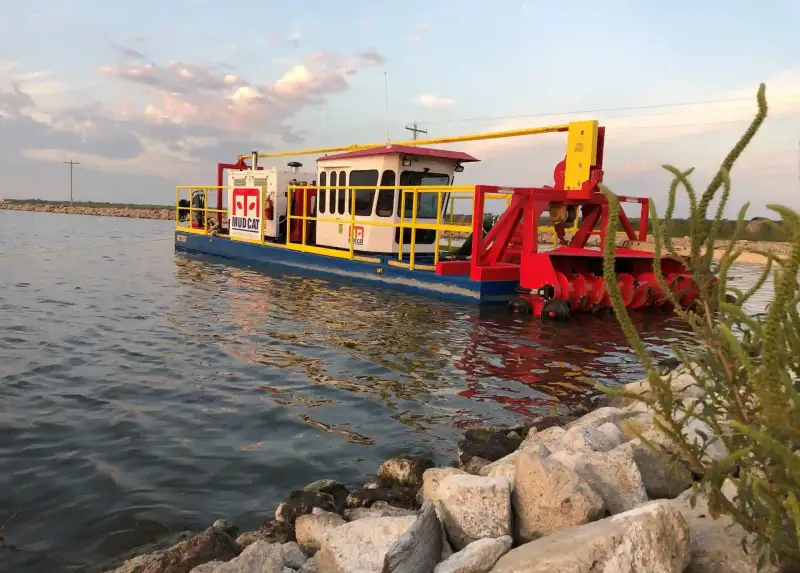
Lagoon dredging plays a critical role in maintaining the performance and longevity of wastewater treatment facilities. As biosolids and sediments accumulate at the bottom of lagoons, they reduce capacity, disrupt treatment processes, and pose environmental risks. Lagoon dredges are specialized tools designed to remove these materials efficiently, ensuring optimal system functionality.
Maintaining Lagoon Capacity
Over time, wastewater lagoons fill with sludge that takes up valuable volume. If left unchecked, this buildup reduces the effective treatment space available, making the system less efficient. the Lagoon dredge removes this settled material, restoring full capacity and allowing the treatment plant to operate as designed.
Enhancing Treatment Efficiency
Thick sludge layers can interfere with the biological processes that naturally treat wastewater. By removing these layers with a dredge, operators improve oxygen flow and microbial activity. This results in better treatment outcomes, reduced odor, and improved water quality at discharge points.
Preventing Costly System Upgrades
Neglecting sludge buildup can eventually lead to system overload, requiring expensive expansions or replacements. Lagoon dredging provides a cost-effective preventive measure that helps extend the lifespan of existing infrastructure, delaying or avoiding the need for major capital investments.
Minimizing Environmental Impact
A lagoon overloaded with sludge can lead to uncontrolled nutrient release, bad odors, and possible groundwater contamination. Dredging helps maintain the lagoon’s environmental compliance by removing excess material before it causes harmful consequences, ensuring the system remains within regulatory limits.
Supporting Compliance with Regulations
Wastewater treatment facilities are subject to strict environmental regulations. Regular lagoon dredging helps facilities meet sludge handling, effluent quality, and odor control standards. By staying in compliance, operators avoid fines and maintain public trust in their services.
Avoiding Overflow and Emergency Shutdowns
When sediment accumulation goes unchecked, it increases the risk of lagoon overflow during heavy rainfall or high inflow events. Overflow can lead to untreated wastewater being released into the environment. Lagoon dredging keeps systems running safely by ensuring the lagoon has the necessary volume to handle surges.
Enabling Accurate Monitoring and Planning
Excess sludge can skew water level measurements and complicate treatment planning. Dredging restores the lagoon’s proper contours, making it easier to monitor actual water levels, assess system health, and plan future maintenance more accurately.
Improving Odor Control
Sludge buildup in lagoons is a major cause of unpleasant odors due to anaerobic decomposition. Dredging removes the organic matter responsible, significantly reducing odor issues and making the treatment plant more acceptable to nearby communities.
Reducing Risks to Equipment and Staff
Heavy sludge buildup can damage aerators, pumps, and liners, increasing maintenance costs and putting staff at risk during repair. By regularly removing sediment through dredging, operators protect infrastructure and reduce safety hazards associated with emergency interventions.
Making Room for Future Growth
As communities grow, wastewater treatment needs increase. Regular dredging keeps lagoons functioning at full capacity, enabling facilities to handle additional load without immediate expansion. This makes it easier to scale operations gradually while keeping costs under control.
Conclusion
Lagoon dredges are essential tools for maintaining healthy, efficient, and compliant wastewater treatment systems. From restoring capacity and improving water quality to extending equipment life and reducing environmental risks, their benefits are far-reaching. Regular, proactive dredging is a smart investment that ensures long-term sustainability for any facility relying on lagoon-based treatment.
Resource URL:
https://mudcatdredge.com/agriculture-dredging-systems/
https://en.wikipedia.org/wiki/Dredging


Hello, I Diwasu author of Drunken poets of Sarasota, Drunken Poets is composed of people who live in Sarasota and see potential in this city.