
 0
0
 0
0
Are you or your child looking for a safe space to talk, feel heard, and feel understood? That is exactly what judgment-free peer support offers. It connects young people with others who “get it” because they have been through similar struggles.
In this guide, you will learn what this kind of support really means, how it works for children and adolescents, and how telehealth makes it simple to access from home. Whether you are a parent, a teen, or a young adult, you will see how peer support can fit alongside therapy, school, and daily life.
You will also find simple steps to get started, practical tips to prepare for a first session, and clear answers to common questions about privacy, safety, and comfort.
What Does Judgment-Free Peer Support Mean?
Judgment-free peer support is emotional and social support given by people with similar life experiences. “Peer” means someone close to your age or situation. “Judgment-free” means you can share feelings, thoughts, and fears without being criticized or blamed.
In these spaces, there are a few basic rules. People listen more than they speak. They do not interrupt or make fun. They avoid phrases like “just get over it” or “others have it worse.” Instead, they say things like “I have felt that too” or “thank you for sharing that.”
For children and adolescents, this kind of support can feel very different from talking to adults. It can be easier to open up when you know others have similar worries about friends, exams, social media, or family pressure.
How Peer Support Differs From Therapy
Peer support is not the same as counseling or medical treatment. A therapist is trained to diagnose, treat, and create a formal care plan. A peer focuses on sharing experiences, listening, and offering hope.
In many programs, sessions are guided by a trained facilitator who has lived experience with mental health challenges. This person is not there to “fix” anyone. Instead, they help keep the group respectful, safe, and supportive.
For many young people, the best results come from a mix of both. Therapy can handle clinical needs such as strong anxiety, depression, or trauma, while peer support creates a warm, supportive community for teens to practice new skills in real conversations.
Why Teens & Parents Appreciate Telehealth Peer Support
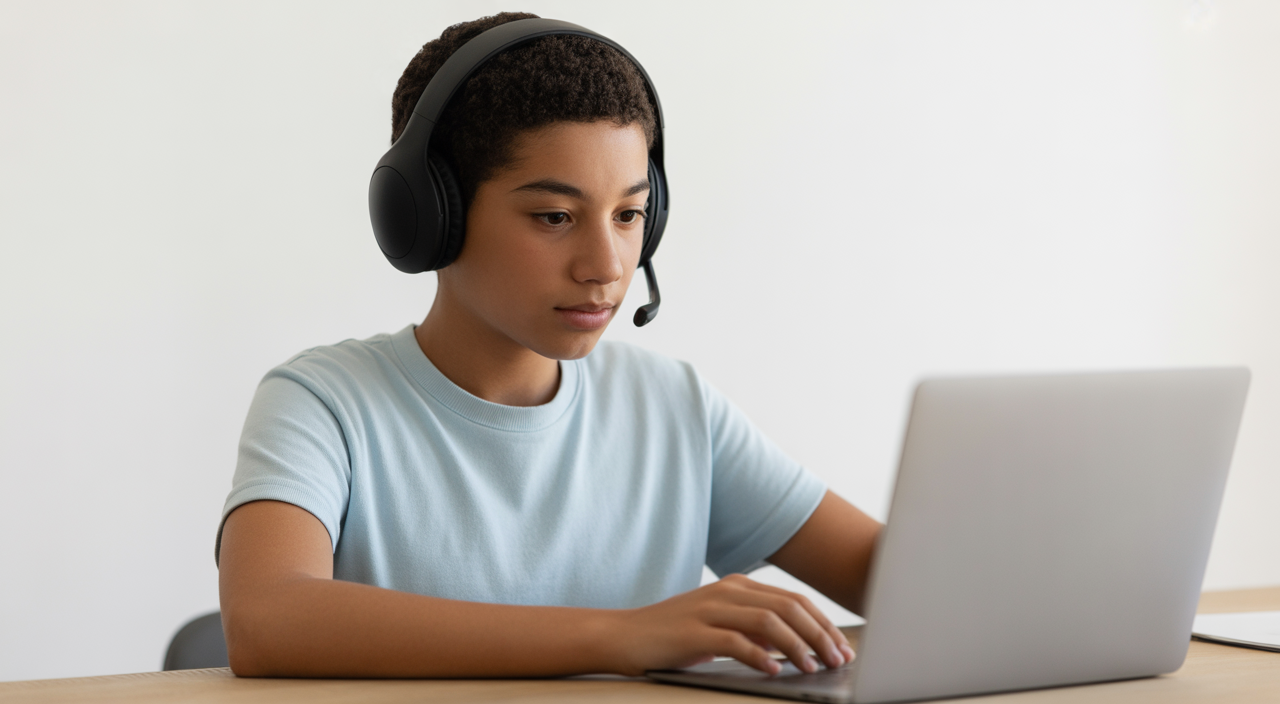
Telehealth means getting support online through secure video calls instead of traveling to a clinic. For busy families, this is a big advantage. There is no traffic, no long waiting room time, and no need to miss an entire day of school or work.
Sessions take place on a private, health-grade video platform that follows strict privacy rules. That means conversations are protected and not recorded for public use. Only approved participants and facilitators can join the room.
Many groups are designed for specific ages, such as 9–12, 13–17, or 18–21. This keeps topics and language age-appropriate and makes it easier to relate to others in the session. Smaller groups also help quieter children feel safer to talk.
Key Benefits for Children, Teens, and Young Adults
For a young person, feeling “the only one” can be very lonely. When they join a supportive community for teens, they quickly see that others face similar issues. This alone can reduce shame and self-blame.
In a good peer program, members learn to:
- Put feelings into words without fear
- Build coping skills such as deep breathing, journaling, or simple routines
- Handle school stress, friendships, and family conflicts with more confidence
- Support others while still caring for their own mental health
Over time, these skills can improve mood, increase resilience, and even make it easier to open up in one-to-one therapy or with family members.
What Happens in a Typical Telehealth Peer Session?
Most programs follow a clear and gentle structure, so no one feels lost. Here is a simple step-by-step flow many youth peer-to-peer counseling groups use:
- Sign-up and brief assessment. A parent or the young person fills in a short form. A staff member may schedule a quick call to understand needs, age, and comfort level.
- Meeting your group. On the session day, you join through a secure video link. The facilitator explains group rules such as confidentiality, respect, and turn-taking.
- Check-in round. Each member shares how they feel that day, maybe using simple words like “okay,” “stressed,” or “hopeful.” No one is forced to speak if they are not ready.
- Topic and sharing. The group talks about a theme, such as exams, friendships, body image, or social media. Members share stories and coping ideas.
- Closing and coping tools. The session ends with a short grounding exercise or a small “takeaway” skill to try before the next meeting.
Sessions are usually 45 to 60 minutes. Parents may receive general feedback about how their child is engaging, without breaking the trust of private group conversations.
Building a Nonjudgmental Culture Online
To keep a healthy space, programs set clear guidelines from day one. Offensive language, bullying, or sharing someone else’s story outside the group is not allowed. If it happens, the facilitator steps in calmly and redirects the group.
Young people are encouraged to use “I” statements such as “I felt this when…” instead of giving direct advice like “you should do this.” This keeps conversations tender and personal, rather than controlling.
With time, many teens begin to lead by example. They listen more deeply, show kindness, and create a culture of gentle accountability where everyone feels safe to be honest.
Practical Tips for Parents & Teens Before the First Session
A little preparation can make the first call feel much smoother. Here are some simple ideas:
- Pick a quiet, private corner of the home where you will not be overheard.
- Use headphones if possible, which helps with privacy and sound quality.
- Test your internet connection and camera a few minutes before the call.
- Have a notebook or sketchbook handy, in case you want to jot down thoughts.
- Agree on a simple signal with your child, such as raising a hand off-screen, if they feel uncomfortable and need a short break.
Parents can also remind their child that they can just listen during the first session. There is no pressure to speak until they feel ready.
How Peer Support Fits Into a Bigger Wellness Plan
For many families, peer support becomes one part of a larger mental health plan. It can sit beside individual therapy, school counseling, and healthy daily habits like exercise and sleep.
Some parents find it helpful to pair peer sessions with practical wellness steps. For example, you might explore new healthy routines after reading about current health and wellness approaches, then talk about how they feel in the next group session.
When needed, medical care, medication, or other treatments can also be added. Peer spaces do not replace professional help. Instead, they make the path feel less lonely and more hopeful.
Why a Judgment-Free Space Matters So Much
Children and adolescents often worry that adults will “overreact” or punish them when they share honest feelings. This can cause them to hide their emotions. A truly judgment-free group reduces this fear.
When they see others sharing openly and being met with respect, they learn a powerful lesson: “My feelings are real, and they are allowed.” This can change how they see themselves at home, in school, and online.
Over time, they may begin to handle challenges with more calm and courage. They know they have a circle of people they can turn to when things feel heavy.
Frequently Asked Questions
Q1: Is judgment-free peer support suitable for children as young as 9?
Yes, many programs create special groups for children aged 9–12. Sessions use simple language, gentle activities, and shorter discussions to match attention spans. Parents often stay involved through regular updates, while children enjoy a safe space built for their age.
Q2: Can peer support help if my child is already in therapy?
Peer support and therapy work very well together. Therapy focuses on deep, one-to-one work with a trained professional. Peer groups offer daily-life support, encouragement, and a place to practice social and coping skills. Many therapists even recommend peer programs as a helpful extra layer of care.
Q3: How do I know if an online group is safe and respectful?
Look for programs that clearly describe their privacy rules, group size, and facilitator training. Check if they talk about nonjudgmental group therapy, confidentiality, and how they handle any issues in the group. You can also read guides on choosing the right support services, such as this resource on assessing care options for your family, and apply the same careful thinking to peer programs.
Q4: How often should my teen attend sessions?
Many families start with weekly sessions so the child can build trust and routine. Over time, some move to every two weeks, while others prefer to stay weekly. The right pace depends on your child’s comfort, schedule, and other supports in place.


Hello, I Diwasu author of Drunken poets of Sarasota, Drunken Poets is composed of people who live in Sarasota and see potential in this city.