
 0
0
 0
0
If you own a lakefront plot or invest in a layout with a shared waterbody, you may have heard people talk about lake dredging. In simple words, a lake dredge is a specialised machine that removes mud and silt from the bottom of a lake. For Indian investors, understanding this process can help you maintain water quality, keep property values high, and avoid future headaches.
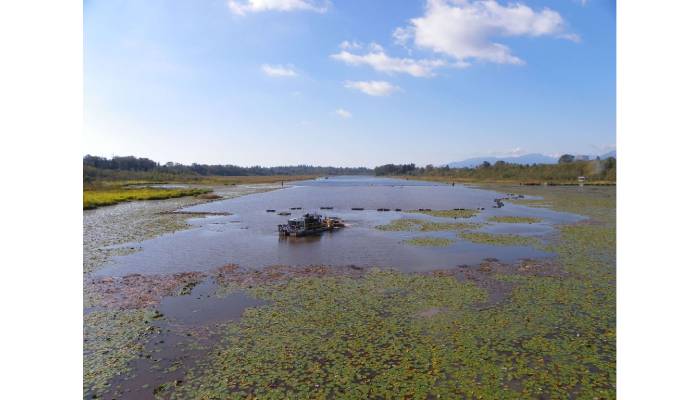
Across India, many gated communities, resorts, and farmhouses highlight lakes as a key feature. Over time, these lakes slowly fill with sediment, weeds, and waste. Knowing when and how to use lake dredging services turns your waterbody from a long-term problem into a long-term asset.
What Exactly Is Lake Dredging?
Lake dredging means removing sediment, sludge, and other build-up from the bed of a lake or reservoir. This build-up usually comes from soil erosion, construction runoff, and organic waste like leaves and algae. Over the years, it makes the lake shallow, dirty, and sometimes even unsafe.
There are two common methods:
- Hydraulic dredging uses pumps to suck up a slurry of water and sediment through pipes. It is ideal when you want less disturbance at the shoreline and more precise control.
- Mechanical dredging uses excavators, buckets, or barges to physically scoop mud from the bottom. It can be useful in smaller or very shallow areas but may need more access from the banks.
Good projects often combine sediment removal with aquatic vegetation management so that weeds and algae do not quickly return.
Why Do Lakes Need Dredging Over Time?
Every lake slowly collects nutrient-rich silt. This silt feeds algae, encourages weed growth, and reduces depth. For investors and resident welfare associations, this has three big effects.
- Loss of usable water area: Boats scrape the bottom, fishing becomes harder, and the lake looks more like a pond than a waterbody.
- Poor water quality: Murky water, smell, and frequent algae blooms make the lake less enjoyable and may even attract complaints.
- Lower property appeal: A clean, deep lake can lift real-estate value. A choked, green waterbody can pull it down and increase maintenance costs.
Regular monitoring and timely dredging help maintain depth, improve water clarity, and support healthy fish habitats. This is particularly important when your lake is part of a larger lake restoration process financed by many co-owners.
Step-by-Step Lake Dredging Process
Professional teams usually follow a clear process that keeps work smooth and compliant with rules.
- Site assessment
Experts survey the lake, check depth, measure sediment thickness, and test the quality of the material at the bottom. This helps decide how much dredging is needed and where. - Permissions and approvals
In many regions, you may need local body or environmental clearances, similar to a permit for lake dredging. A good contractor can guide you on paperwork, timelines, and safety norms. - Equipment selection
Based on lake size, depth, and access, the team selects the right hydraulic or mechanical dredge. Narrow access canals, power availability, and nearby disposal land all influence this decision. - Dredging and sediment transport
The dredge removes sediment and pumps or transports it to a designated disposal or drying area. This area can later be used as reclaimed land, landscaped greens, or even future development, depending on local rules. - Post-dredge clean-up and monitoring
After work, banks are restored, floating debris is cleared, and the team may add basic erosion control. Periodic depth checks ensure the lake remains healthy for many years.
How Much Does Lake Dredging Cost?
Costs vary widely, but knowing the main drivers helps you plan your budget with confidence.
- Volume of sediment: The more cubic metres that need removal, the higher the cost. A rough survey will give an estimate of total volume.
- Type and quality of material: Clean silt is easier and cheaper to handle. Contaminated or industrial sediments may require special treatment.
- Site access: Easy road access and nearby disposal sites reduce expense. If pipes or trucks must travel long distances, prices rise.
- Water control: Working in a live lake is one thing, draining or diverting flows is another. Complex water-management adds to the budget.
Investors can treat dredging as a long-term capital expense, similar to major structural repair. When you spread the cost over the extra years of clean water, boating, and higher rental or sale value, the return on investment often looks attractive.
Why Lake Dredging Matters For Indian Investors
In India, many second homes and plotted developments use lakes to create a premium feel. For you as an investor, a well-maintained waterbody can support better pricing, higher occupancy, and more stable demand.
Here is how thinking ahead about dredging helps:
- Protects long-term value: Buyers and tenants notice clean, attractive water. It becomes a selling point, not a sticking point.
- Controls future costs: Regular, smaller dredging projects cost less than one large emergency cleanout after years of neglect.
- Supports sustainability goals: Clearer water, balanced fish populations, and controlled weeds fit well with eco-friendly branding.
If you handle large infrastructure or hospitality projects, it can also be useful to explore related topics like automated dredge solutions for waterbodies to better understand advanced technologies.
Choosing The Right Partner For A Lake Dredge Project
Success depends largely on the experience and equipment of your dredging partner. Look for companies that can show previous work on lakes or reservoirs similar in size to yours. Ask for before-and-after depth maps, not just photos.
Key points to review include:
- Range of hydraulic and mechanical dredges available
- Ability to handle environmental testing and documentation
- Clear plan for sediment disposal and site restoration
- Transparent cost estimates, timelines, and milestone reports
You can also study broader water-management topics such as aquatic weed harvesting for lake maintenance to plan a complete lake-care strategy that goes beyond just dredging.
FAQs About Lake Dredging For Property Owners
Q1: How often does a lake need dredging?
There is no single rule, because every catchment area is different. Many managed lakes consider a detailed survey every 7 to 10 years. If sediment inflow is high due to nearby construction or farming, you may need action sooner. With good erosion control around the banks, the gap between dredging projects can be much longer.
Q2: Is lake dredging safe for fish and other aquatic life?
When planned well, lake dredging can actually improve habitats by restoring depth, reducing excess nutrients, and creating better oxygen levels. Work is usually scheduled outside key breeding seasons, and sediment is removed in a controlled manner. A professional team will also monitor water quality before, during, and after the project, keeping ecosystems in mind.
Q3: Can dredging be done while the surrounding community stays occupied?
Yes, most projects allow residents and guests to continue day-to-day life. There may be some noise and movement of equipment near access points. With proper planning of working hours, traffic routes, and communication to residents, disruption stays limited and short-term.
Q4: What should Indian investors check in their sale or development documents?
Review who is responsible for lake maintenance, including future dredging and weed control. Ensure there is a clear sinking fund or maintenance charge structure for common areas. This clarity keeps your returns steady and avoids unexpected costs later.
With the right approach, lake dredging becomes less of a challenge and more of a smart, planned step to protect both your waterbody and your investment.


Hello, I Diwasu author of Drunken poets of Sarasota, Drunken Poets is composed of people who live in Sarasota and see potential in this city.