
 0
0
 0
0
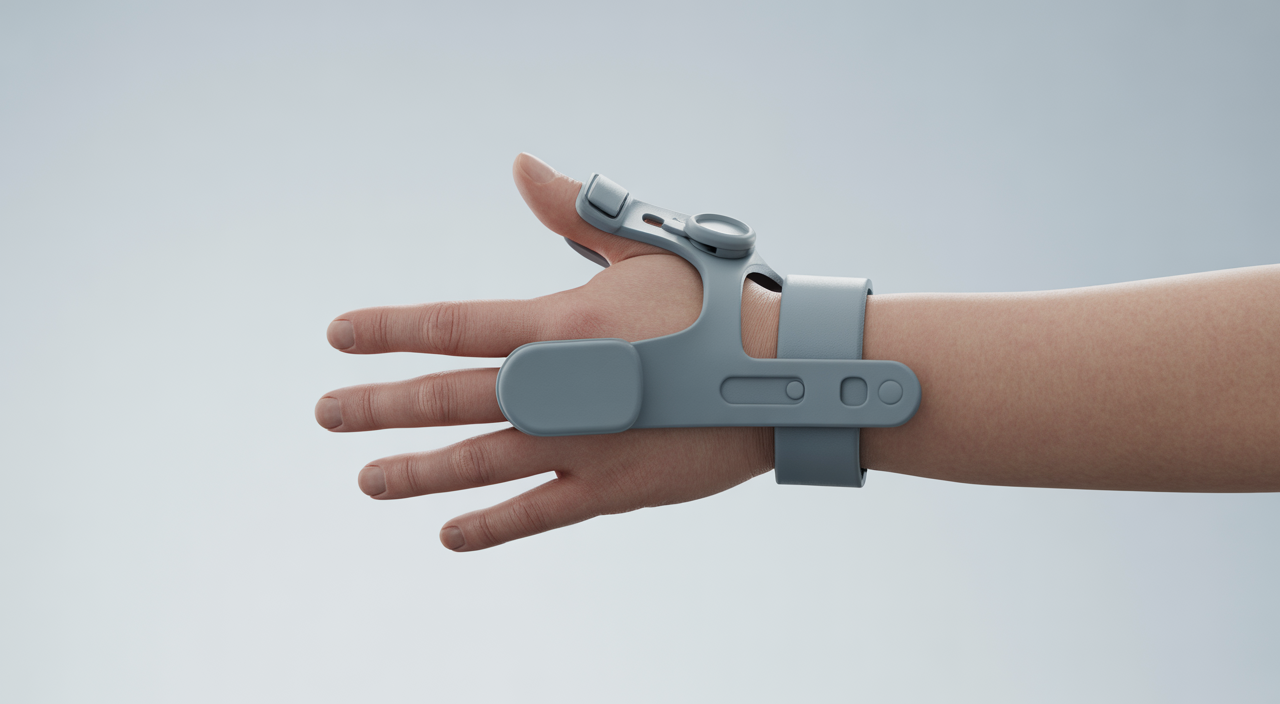
When a finger locks, clicks, or gets stuck as you bend it, simple tasks start to feel tiring. You may struggle to button a shirt, grip a steering wheel, or hold a pen. Understanding how trigger finger treatment works can help you get back to normal, pain-free movement.
This guide walks you through what trigger finger is, why it happens, and the main options to manage it. You will see both non-surgical and surgical paths, along with recovery tips, so you can discuss the best plan with your doctor.
Always remember that any hand problem deserves proper medical advice. Use this article as a friendly roadmap, then partner with a qualified specialist for a final decision.
What Exactly Is Trigger Finger?
Trigger finger is a condition where a finger or thumb gets stuck in a bent position and then suddenly straightens with a snap. Doctors call it “stenosing tenosynovitis,” which simply means narrowing and irritation around the tendon sheath.
Tendons are like cords that connect your finger muscles to the bones. They move through small tunnels in your hand. When the lining of the tendon becomes thick or inflamed, the tendon cannot glide smoothly. This is what causes the catching or locking feeling.
People with diabetes, arthritis, or those who do repetitive gripping work often notice this problem more. But anyone can develop it, especially after long periods of strain.
Main Symptoms You Should Watch For
Trigger finger symptoms usually start mild and then grow over time. Some common signs include:
- Stiffness in the morning in one or more fingers
- A small lump at the base of the finger or thumb
- Clicking or popping when you bend or straighten the finger
- The finger locking in a bent position, then suddenly releasing
- Pain or tenderness in the palm, especially when gripping
If your finger gets stuck and you must use the other hand to straighten it, it is time to see a doctor. Early care gives you more choices and often a faster recovery.
Non-Surgical Trigger Finger Treatment Options
Many people improve with simple, non-invasive care. These methods aim to calm inflammation, ease pain, and restore smooth tendon movement.
Rest, Ice, and Activity Changes
The first step is often to reduce stress on the finger. Limit tight gripping, heavy lifting, or long typing sessions for some weeks. Use ice packs on the painful area for 10 to 15 minutes, a few times a day, to help with swelling.
Small lifestyle tweaks, like using a larger pen, padded tools, or ergonomic computer accessories, can make a big difference if your work involves constant hand use.
Pain Tablets and Anti-Inflammatory Care
Your doctor may suggest non-steroidal anti-inflammatory drugs (often called NSAIDs) for short-term pain relief. These reduce swelling in the tendon area and can make movement easier.
Always speak to a medical professional before starting any regular medication, especially if you have other health conditions or take regular medicines.
Splints and Braces
A trigger finger splint keeps the affected finger straight while you sleep or during certain activities. This rest period gives the tendon a chance to recover and reduces friction inside the tunnel.
Some people need to wear the splint at night only, while others may use it during the day as well. A hand therapist or orthopedic doctor can guide you on the right type and wearing schedule.
Steroid Injections
Corticosteroid injections are a very common medical option. The doctor injects medicine near the tendon sheath to reduce inflammation. Many patients feel relief within days. In some cases, one injection is enough, while others may need a second one later.
The success rate is often high, especially if the problem is recent and the finger is not completely locked. Your doctor will tell you how soon you can return to normal work after the injection.
Hand Therapy and Home Exercises
Gentle stretching and strengthening exercises help keep the tendon moving smoothly. A therapist may show you simple moves like:
- Finger extension stretches on a table
- Tendon-gliding exercises to move each joint in the finger
- Soft squeezing with a sponge or therapy putty
These should be pain-free or only mildly uncomfortable. Stop if you feel sharp pain, and always follow your therapist’s guidelines.
When Is Surgery Recommended?
If non-surgical care does not bring relief, or your finger stays locked most of the time, surgery may be the most effective trigger finger treatment. The operation is usually short and often done as a day procedure.
There are two main surgical approaches:
- Percutaneous release: The surgeon uses a needle or small blade through the skin to open the tight part of the tendon tunnel.
- Open release: A small cut is made in the palm, and the tendon sheath is carefully released under direct view.
Both methods free the tendon so it can glide smoothly again. Your surgeon will choose the approach based on your finger, health, and lifestyle needs.
Recovery After Trigger Finger Surgery
Most people start moving the finger the same day or the next day after surgery. Early movement helps prevent stiffness and speeds healing. Mild soreness is normal for a short period and is usually easy to control with oral pain tablets.
The full healing time can range from a few weeks to a couple of months, depending on your age, health, and how severe the problem was before surgery. Hand therapy may be advised if you had stiffness for a long time or if more than one finger was involved.
Tips To Protect Your Fingers In Future
Even after recovery, it is wise to care for your hands so the problem does not return. A few helpful habits include:
- Taking regular breaks from repetitive work
- Using cushioned handles for household tools
- Maintaining healthy blood sugar if you have diabetes
- Doing gentle hand stretches at the start and end of your workday
Listening to early warning signs like mild morning stiffness or small clicks can help you act quickly before things worsen.
Helpful Resources To Learn More About Hand And Joint Care
To understand how joint specialists work and what to expect in a consultation, you may like this guide on what orthopedic surgeons do for bone and joint issues. It offers a simple overview of how such experts support recovery.
If you are recovering from any hand or joint procedure, structured movement can be valuable. This article on post-operation therapist exercises to improve range of motion explains how guided exercises help rebuild strength and flexibility.
FAQs About Trigger Finger Treatment
Q1: Can trigger finger go away on its own?
In some mild cases, symptoms can ease with rest, activity changes, and simple home care. However, if locking, pain, or stiffness continues for more than a few weeks, it is wise to consult a doctor. Early medical advice gives you more gentle options and helps prevent long-term stiffness.
Q2: Is surgery the only permanent solution?
No. Many people respond very well to splints, steroid injections, and hand therapy. Surgery is usually suggested when these methods do not work, or when the finger is locked all the time. When needed, surgery often offers lasting relief with a relatively short recovery period.
Q3: How long should I wait before seeing a specialist?
If your finger is painful and locks more than once a day, or if you need your other hand to straighten it, book an appointment soon. Quick action can avoid deeper inflammation and give you simpler solutions. Always treat hand pain as a signal to seek timely advice.


Hello, I Diwasu author of Drunken poets of Sarasota, Drunken Poets is composed of people who live in Sarasota and see potential in this city.