
 0
0
 0
0
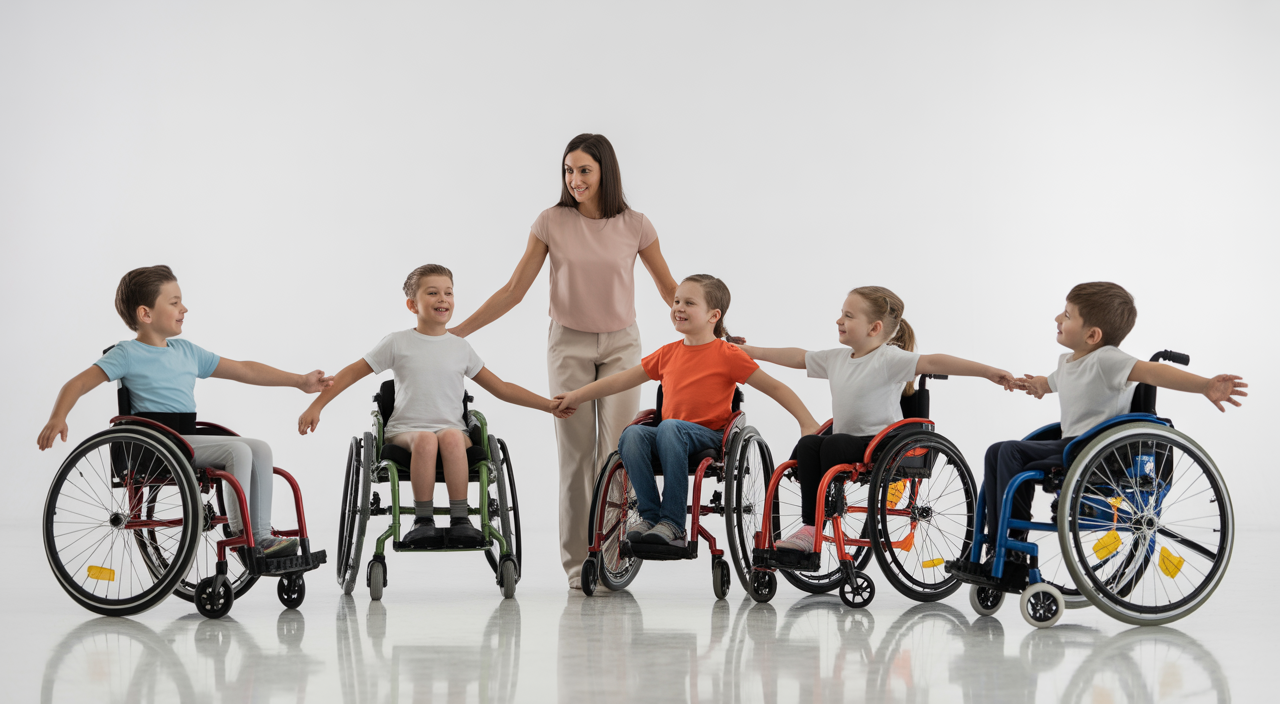
If you are exploring adaptive dance classes toronto for your child, you are already taking a beautiful step. You are looking for a space where movement, music, and joy come together in a way that truly welcomes every child. This is exactly what a well-designed adaptive dance program can offer.
Parents often ask how these classes are different from regular dance. They want to know if their child will feel safe, supported, and included. They also want clear details on structure, cost, and how to enroll. Let’s walk through all of this in a simple, friendly way.
What Is Adaptive Dance?
Adaptive dance is a form of dance training designed for children with diverse abilities. It includes kids with physical, sensory, or developmental differences. The focus is not on perfect technique, but on expression, movement, and enjoyment.
In these classes, teachers adjust activities so that every child can take part. That might mean slower pacing, more visual cues, or use of chairs, props, and support staff. The goal is to build confidence and independence through movement.
How Adaptive Dance Differs from Regular Dance Classes
Traditional dance classes often follow a strict pattern. Steps are taught quickly, and children are expected to keep up. This can be stressful for kids who need more time or different ways of learning.
In adaptive dance classes Toronto parents will notice some key differences:
- Smaller group sizes for more individual attention
- Flexible lesson plans that change with the needs of the class
- Use of simple language, repetition, and clear demonstrations
- Supportive environment where every small effort is celebrated
Instead of comparing children to each other, teachers celebrate each child’s unique progress. This creates a warm, positive space where kids feel free to try.
Benefits of Adaptive Dance for Children
Adaptive dance is more than a fun activity. It supports the whole child: body, mind, and emotions. Many parents notice changes within a few weeks of regular participation.
Key benefits include:
- Physical development: Better balance, coordination, posture, and strength
- Social skills: Taking turns, sharing space, and working with partners
- Emotional growth: Higher confidence, lower anxiety, and a sense of pride
- Communication: Following instructions, expressing feelings through movement
For some children, adaptive dance also supports therapeutic goals. It can complement physiotherapy, occupational therapy, or movement therapy for kids, while still feeling like play.
What a Typical Weekly Class Looks Like
Each program has its own style, but a well-structured adaptive dance class usually follows a clear and comforting pattern. This helps children know what to expect and feel secure.
A sample class outline might include:
- Welcome & warm-up: Simple stretches and gentle movements to music
- Skill building: Practicing basic steps, shapes, and rhythms in small chunks
- Creative movement: Short activities where children choose their own way to move
- Group dance: A short, easy routine everyone practices together
- Cool down & reflection: Slower movements, breathing, and a quick check-in
Consistency is key. When children experience the same friendly structure each week, they relax, engage more, and look forward to class.
Bilingual and Inclusive Support for Families
In a multicultural city like Toronto, many families speak more than one language at home. A strong adaptive program acknowledges this by offering clear communication in more than one language, such as English and French.
Some of the most family-friendly programs provide:
- Bilingual registration support by phone or email
- Simple written guides for parents that explain what to expect
- Visual schedules and picture cards that help children follow along, no matter the language
This kind of inclusive approach makes it easier for families to feel welcome and fully informed from day one.
Key Features to Look For in Adaptive Dance Classes Toronto
When choosing a program, focus less on fancy studios and more on quality of care. A few important questions can guide your decision.
- Instructor training: Are teachers experienced with children with disabilities or special needs? Have they worked with different learning styles?
- Accessible facilities: Is the space wheelchair-friendly? Are there ramps, wide doors, and accessible washrooms?
- Support staff: Are there assistants or volunteers available if a child needs one-on-one help?
- Clear communication: Do you receive schedules, policies, and fee details in a simple, transparent format?
Many parents also appreciate programs that share gentle guidelines on what to bring, what children should wear, and how caregivers can support practice at home.
How to Enroll and Prepare Your Child
Enrolling in an adaptive dance program is usually straightforward. Most centres offer online registration, followed by a quick phone call or email to discuss your child’s needs.
You can prepare by:
- Sharing any medical or sensory information that could help teachers plan
- Visiting the studio in advance so your child can see the space
- Talking about class routines using simple words and maybe a visual schedule
- Starting with comfortable clothes and soft shoes or bare feet
If you enjoy clear, step-by-step guides, you might also like this article on getting big projects started the right way with a simple plan. The same planning mindset helps when starting any new activity with your child.
Encouraging Your Child’s Confidence Over Time
Progress in adaptive dance is very personal. One child may start joining group activities after a few classes. Another might first feel comfortable just watching, then slowly adding small movements.
As a parent or caregiver, you can:
- Celebrate small wins, like a new step or longer focus time
- Avoid comparing your child to others in the room
- Ask teachers for simple activities you can repeat at home
- Keep attendance regular so your child builds a routine
If you are interested in other wellness-focused ideas, you may also enjoy reading about current health and wellness trends for families.
FAQs about Adaptive Dance Classes in Toronto
Q1: What ages are best for adaptive dance?
Most programs welcome children from around 4 to 14 years, sometimes grouped by age and ability. Younger children focus more on play-based movement, while older kids may work on simple routines and performance skills.
Q2: Do children need any prior dance experience?
No experience is needed. Adaptive dance is designed for beginners, including children who may be trying a group activity for the first time. Teachers start with very simple steps and build comfort before adding challenges.
Q3: Can caregivers stay in the room during class?
Policies differ by program. Some encourage caregivers to stay nearby during the first few sessions, especially for children who feel anxious in new spaces. Over time, many children enjoy the independence of being in class while caregivers relax in a waiting area.
Q4: What if my child uses a wheelchair or mobility device?
Many adaptive dance programs welcome children who use wheelchairs or other devices. Movements are adjusted so every child can take part from where they are, whether seated or standing. It is helpful to discuss your child’s needs with the instructor before the first class.


Hello, I Diwasu author of Drunken poets of Sarasota, Drunken Poets is composed of people who live in Sarasota and see potential in this city.